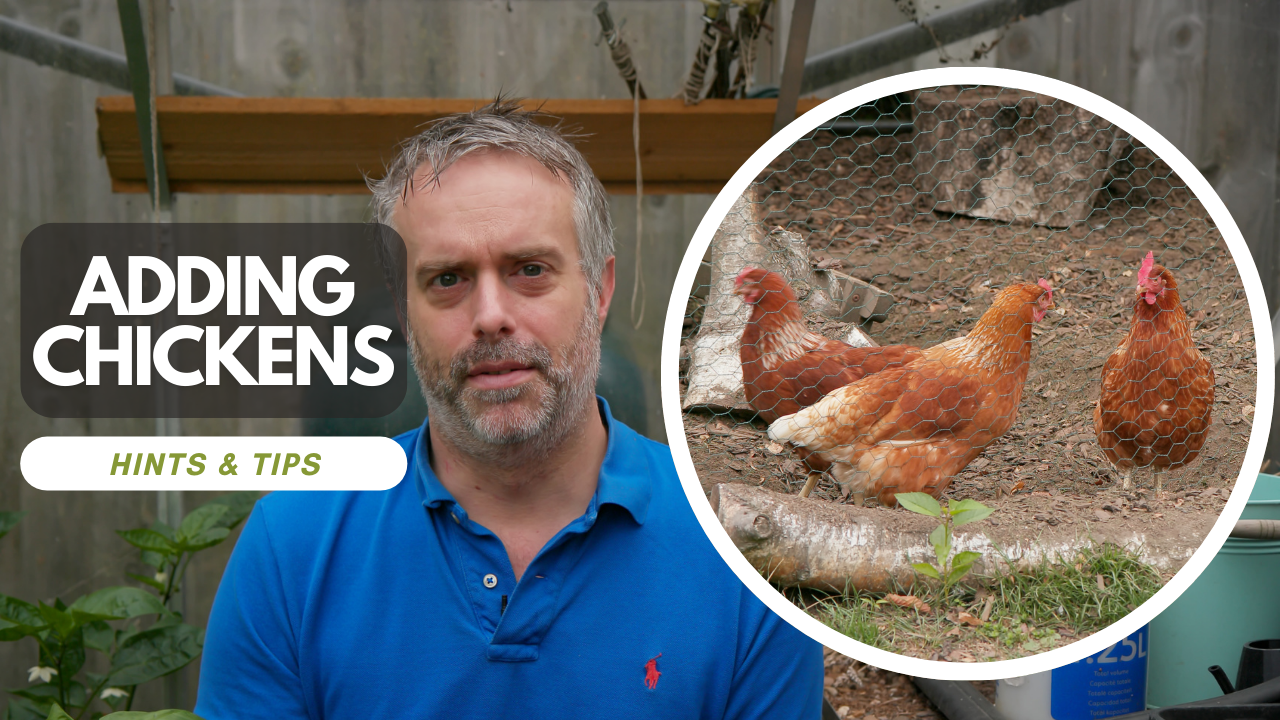
Adding new chickens to your existing flock can be an exciting yet challenging effort. You could be looking to boost egg production. Perhaps you want to replace lost chickens. Or maybe you want to diversify your flock with new breeds. The process requires careful planning and patience. The integration of new birds into an established flock isn’t always seamless. Aggressive pecking is one issue. Stress and the potential spread of disease can also arise. These problems can turn what should be a simple task into a complicated one.
Successfully adding new chickens involves understanding the dynamics of a flock, particularly the “pecking order.” This hierarchy plays a crucial role in how well your existing chickens will accept the newcomers. If done improperly, you might face challenges. These challenges include your new chickens getting pecked excessively. They may refuse to leave the coop. They might even not eat due to stress. Nonetheless, with the right approach, you can reduce these issues and create a harmonious flock.
In this guide, we’ll walk you through the essential steps to integrate new chickens into your flock successfully. We’ll start with preparing a safe space. Next, we will introduce the birds gradually. Finally, we will discuss managing the inevitable pecking order. We’ll cover everything you need to know to guarantee a smooth transition. Plus, we’ll tackle common concerns like “How long does it take for old chickens to accept new chickens?” and “Can I put new chickens in with my old ones?” By the end of this article, you’ll be equipped with practical tips to help your flock grow peacefully.
Considering keeping chickens for the first time? We have guides on what to consider before getting your first chicken and what equipment you will need.
Why Add New Chickens to Your Existing Flock?
There are several compelling reasons why you want to introduce new chickens to your existing flock. Whether you’re an experienced backyard farmer or just starting your journey toward self-sufficiency, expanding your flock can bring benefits. This can significantly improve your homestead.
1. Maintaining or Boosting Egg Production
As chickens age, their egg production naturally declines. Hens typically lay the most eggs during their first two to three years of life. After this period, their output gradually decreases.
You can keep a steady supply of fresh eggs throughout the year by adding younger hens to your flock. These hens are often referred to as pullets. This is particularly important for those who rely on their flock as a primary source of eggs.
2. Replacing Lost Chickens
Unfortunately, chickens can be lost due to age, illness, or predators. When this happens, it’s essential to replace them to keep your flock at a healthy size.
A balanced flock helps keep the social structure among the birds. It ensures your existing chickens don’t become lonely or stressed. This can lead to health problems and decreased egg production.
3. Introducing New Breeds
Diversity is another great reason to add new chickens to your flock. Different breeds of chickens offer a variety of benefits. These benefits range from different egg colours and sizes to varying temperaments. They also include different levels of hardiness. For example, you can add a breed known for winter hardiness.
This addition can be a great way to guarantee consistent egg production even during colder months. Introducing new breeds can also simply add a splash of colour and personality to your flock. This makes your daily chicken-keeping routine even more enjoyable.
Preparing to Introduce New Chickens
Bringing new chickens into an existing flock requires preparation. Simply placing them in the same coop and hoping for the best is not enough.
Proper preparation is key to ensuring a smooth and stress-free transition for both your new and existing birds. Here are the essential steps to take before you start the introduction process.
1. Quarantine the New Chickens
One of the most important steps before introducing new chickens to your flock is a quarantine period. New chickens can carry diseases or parasites. These might not be instantly visible but could be harmful to your existing flock.
A quarantine period of at least 2-4 weeks in a separate area is essential. This will help make sure that the new birds are healthy. It also guarantees they are free from any issues.
During this time, watch the new chickens for signs of illness like
- coughing,
- sneezing,
- lethargy, or
- unusual droppings.
If any issues arise, it’s crucial to handle them before moving ahead with the introduction. This step is especially important if you’re sourcing your chickens from different breeders or farms.
2. Health Checks and Vaccinations
Health Checks:
While your new chickens are in quarantine, take the opportunity to conduct a thorough health check. Look for external parasites like mites or lice. Examine their overall condition. Feather quality, weight, and activity levels are good indicators of their health.
It’s also a good idea to consult with a vet to make sure they’re up-to-date on any necessary vaccinations.
Vaccinations:
Vaccinations are a crucial part of maintaining a healthy flock, particularly when introducing new chickens. Not all backyard chicken keepers choose to vaccinate. Still, vaccinating can significantly reduce the risk of disease outbreaks.
These outbreaks can be devastating for your flock. Here’s what you need to know about chicken vaccinations, their benefits, and their safety.
Why Vaccinate Your Chickens?
Chickens, like any other animals, are susceptible to a variety of diseases. Some of these diseases can spread rapidly and be fatal. Vaccinating your chickens helps protect them from these diseases. This reduces the likelihood of an outbreak that could harm your entire flock. Vaccinations are especially important if you’re adding new birds from different sources. They may introduce pathogens that your existing flock hasn’t been exposed to.
Vaccination is also important for flock bio-security. You protect your flock by immunising your chickens. You also help prevent the spread of diseases to other local flocks in your community.
Common Vaccinations for Chickens
There are several key diseases that chickens can be vaccinated against:
- Marek’s Disease: This is one of the most common vaccines administered to chicks. Marek’s disease is a viral illness that can cause tumors and paralysis in chickens. Vaccination is usually given at the hatchery and is highly recommended, especially for larger flocks.
- Newcastle Disease: This highly contagious virus affects a chicken’s respiratory system, nervous system, and digestive tract. Vaccinating against Newcastle disease can prevent severe illness and death in your flock.
- Infectious Bronchitis: This respiratory disease is common in chickens and can significantly impact egg production. Vaccination helps protect against the spread of the virus within your flock.
- Fowl Pox: Fowl pox is a slow-spreading disease. It causes scabs on the skin and lesions in the mouth and upper respiratory tract. Vaccination is available and can help prevent the disease from spreading, especially in areas where it’s prevalent.
- Avian Encephalomyelitis (AE): AE affects the nervous system of chickens, particularly young chicks. Vaccination can help prevent this disease, which can cause tremors, paralysis, and even death in severe cases.
Safety of Vaccinated Hen Eggs
A common concern among backyard chicken keepers is whether eating eggs from vaccinated hens poses any risk to humans. The good news is that vaccines used in chickens are very safe. They do not pose a risk to humans who consume eggs or meat from vaccinated birds.
Most vaccines administered to chickens are designed specifically for poultry. They do not affect the safety or nutritional quality of the eggs. There’s no need to worry about vaccine residues in the eggs. These vaccines are developed with food safety in mind.
Considerations When Vaccinating Your Flock
Vaccination is beneficial. It’s important to note that it should be part of a broader approach to flock health. This includes good sanitation, proper nutrition, and regular health checks. Not all small flocks may need vaccination. This is especially true if they are kept in a closed environment with minimal exposure to other birds. Yet, if you are integrating new chickens, vaccination is a wise precaution. It is also wise if you live in an area where poultry diseases are common.
If you’re unsure about which vaccines are right for your flock, consult with a veterinarian who specializes in poultry. They can offer guidance based on your specific circumstances, like your flock size, location, and risk factors.
3. Create a Safe Introduction Space For Your New Chickens
Before introducing your new chickens to the main flock, set up a safe space. The birds can see each other but not physically interact in this space. A separate section of the coop or a temporary enclosure within the run is ideal. The idea is to allow the chickens to get used to each other’s presence without the risk of immediate confrontation.
This period of visual but not physical contact helps reduce the shock of introduction. It gives both the new and existing chickens time to adjust to each other’s presence.
After a week or two of this setup, you can start to think about supervised introductions.
4. Proper Nutrition and Hydration For Your Hens
Stress can cause chickens to lose their appetite or drink less water. This is especially true when they’re being introduced to a new environment. Make sure the new chickens have access to high-quality feed and clean water during the quarantine and introduction phases. Providing extra supplements or treats can help keep their immune systems strong and reduce the stress of the transition.
Take these preparatory steps seriously. It will go a long way in ensuring a successful integration of new chickens into your flock. It sets the stage for a smoother transition. It also helps prevent the common issues that can arise during this process. These issues include aggression or illness.
The Introduction Process
After completing the necessary preparations, it’s time to start the process of introducing your new chickens to the existing flock. This stage requires patience and careful observation to ensure a smooth and harmonious integration. Here’s a step-by-step guide to help you through the introduction process.
1. Gradual Introduction
Rushing the introduction can lead to stress, injury, and long-term tension within your flock. Instead, opt for a gradual approach. Start by allowing your new chickens to share space with the existing flock. Place them within a protective barrier, like a wire fence or separate pen within the run. This allows the chickens to see and interact with each other without direct contact, reducing the likelihood of immediate aggression.
During this period, which should last at least a week, you’ll likely notice some early curiosity. You may also see some light pecking through the barrier. This is a normal part of the process as the birds start to build their social hierarchy. The goal is to let the chickens get used to each other’s presence in a low-risk environment.
2. Supervised Interaction
Once the chickens have had time to see each other through the barrier, you can start supervised interactions. This means allowing the new and old chickens to be in the same space without any barriers. Still, keep them under your watchful eye. Choose a neutral area. It can be the run or a section of the yard where the established flock doesn’t feel overly territorial.
During these first few meetings, expect some pecking and squabbling as the pecking order is established. Nonetheless, this behaviour should not be excessively violent. If you notice any severe aggression, like sustained attacks or serious injury, separate the chickens. You may need to try again later. Keep these interactions short initially, gradually increasing the time they spend together as they become more comfortable.
3. Should I Introduce Chickens at Night?
Introducing new chickens at night is a strategy many chicken keepers swear by. The idea is that chickens are calmer and less aggressive in the dark. Place the new chickens on the roost with the existing flock at night. They can wake up together in the morning. This sometimes helps ease the tension.
To do this, wait until your chickens have settled in for the night. Then gently place the new birds on the roost with the others. Make sure you’re on hand early in the morning to watch their behaviour as they wake up. While this method doesn’t always guarantee a smooth transition, it can help in reducing the first shock of the introduction.
4. Watch the Pecking Order
The pecking order is an inherent part of chicken behaviour, dictating the social hierarchy within the flock. During the introduction process, the pecking order will need to be re-established. This can lead to some pecking and minor squabbles. While it’s important to allow this natural behaviour to occur, keep a close eye on the interactions. Make sure it doesn’t escalate into harmful aggression.
If you notice one or more chickens becoming overly aggressive, consider separating the flock for a short period. Try integrating them again afterward. Providing multiple feeding and watering stations can also help reduce competition and aggression during this time.
5. Patience is Key
Remember that successful integration can take time—sometimes weeks. Rushing the process or forcing the chickens to get along can backfire, leading to prolonged stress or injury. By being patient and using these steps, you’re more likely to end up with a peaceful, well-integrated flock.
Managing Pecking Order and Reducing Aggression
Understanding and managing the pecking order is essential when introducing new chickens to your flock. The pecking order is a natural hierarchy that dictates which chickens get first access to food, water, and other resources. While some squabbling is inevitable as this order is re-established. There are strategies you can use to reduce aggression. These strategies guarantee a peaceful integration.
1. Understanding the Chicken Pecking Order
The pecking order is a critical aspect of flock dynamics. It determines the social structure within the group, with dominant chickens asserting their position over others. When you introduce new chickens, this order is temporarily disrupted as the flock members sort out their new rankings.
During this time, you may notice behaviours like pecking, chasing, or even squawking as chickens assert their dominance. While these behaviours are natural, it’s crucial to make certain they don’t escalate into harmful aggression. Understand that this process is part of normal flock behaviour. This understanding can help you stay calm and patient as the new hierarchy is established.
2. Tips to Reduce Aggression Between Chickens
There are several strategies you can use to reduce aggression during the introduction process:
- Give Ample Space: Overcrowding can exacerbate aggression, so make sure your chickens have plenty of room to roam. A spacious run or free-ranging area allows the birds to avoid each other if necessary, reducing the likelihood of conflict.
- Multiple Feeding and Watering Stations: Competition for food and water can trigger aggressive behaviour. Set up several feeding and watering stations. This will reduce competition. It will make certain that all chickens, especially the new ones, have access to essential resources without being bullied.
- Distractions and Enrichment: Adding distractions like hanging cabbage, perches, or dust baths can keep the chickens occupied. These distractions reduce the focus on the newcomers. Enrichment activities can help divert attention away from pecking and promote a more peaceful environment.
- Equalize Flock Sizes: If you’re introducing a small number of new chickens to a large existing flock, consider introducing several at once. By doing this, the new chickens are less likely to be singled out. The focus of the flock will be spread out among the newcomers.
3. When to Intervene
While it’s important to allow the pecking order to naturally sort itself out, there are times when intervention is necessary. Signs that need intervention include:
- Sustained Aggression: If a chicken is relentlessly attacking another, it’s time to step in. The chicken might be chasing it continuously. It could also be preventing the other from eating or drinking. You may need to step in.
- Injury: Any sign of blood or open wounds is a cause for immediate action. Isolate the injured chicken to prevent further harm. Chickens can be attracted to the sight of blood. This can lead to increased aggression.
- Excessive Stress: If a chicken appears excessively stressed, it may need a break from the flock. Symptoms include refusing to leave the coop, not eating, or showing signs of illness. Consider separating it until it recovers or trying a more gradual introduction process.
4. Reinforcing Positive Behaviour
Encourage positive behaviour by rewarding calm interactions among your chickens. You can use treats to reinforce peaceful coexistence and reduce tension. Over time, as the new pecking order becomes established, the flock should settle down, with aggressive behaviours becoming less frequent.
5. Patience and Persistence
Successfully managing the pecking order and reducing aggression takes time. It’s important to stay patient and persistent, observing your flock closely during the integration process. With the right approach, your chickens will eventually set up a new hierarchy and settle into a harmonious routine.
Post-Introduction Care
After successfully introducing your new chickens to the existing flock, the process doesn’t end there. The post-introduction phase is crucial for ensuring that the integration is truly successful. It is also important that all your chickens are healthy and happy. Here’s what you need to do during this period to keep a harmonious flock.
1. Watch the Flock Closely
In the days and weeks after the introduction, it’s essential to watch your flock closely. Watch for any signs of ongoing aggression, like persistent pecking or chasing. While the pecking order should start to stabilise, there might still be occasional squabbles. The birds continue to adjust to their new hierarchy.
Look out for any chickens that are being bullied or excluded. They might need extra support. In some cases, they may need temporary separation. Also, make sure that the new chickens are getting enough food and water. If they’re hesitant to approach the feeding stations, they might fear older chickens. You may need to give separate stations. Alternatively, check feeding times.
2. Addressing Common Issues
Even with a careful introduction process, some issues might arise that need your attention:
- New Chickens Not Eating: Stress from the move and the new environment can sometimes cause chickens to stop eating. If your new chickens are not eating, try offering them their favourite treats. Place them in a quiet area where they can eat without being disturbed. If the issue persists, it might show an underlying health problem that requires veterinary attention.
- New Chickens Won’t Leave the Coop: It’s not uncommon for new chickens to be hesitant. They often prefer the safety of the coop. Encourage them to explore by placing food and water just outside the coop door. You can also gently guide them out, but avoid forcing them, as this can increase stress.
- New Chickens Getting Pecked: Some pecking is normal. Still, if new chickens are getting excessively pecked, it may suggest that the pecking order hasn’t been fully established. It could also mean that the new birds are struggling to find their place. Consider providing extra hiding spots or perches where they can escape from more dominant birds if needed.
3. Encouraging Egg Production
One of the common questions after introducing new chickens is, “When will new chickens start to lay eggs?” The answer varies depending on the age and breed of the chickens. Typically, pullets (young hens) start laying eggs around 18-24 weeks of age. The stress of introduction can delay this. New hens may take a few weeks to feel comfortable enough to start laying.
Make sure that the new chickens have access to comfortable nesting boxes. Make sure they’re receiving a diet rich in calcium and protein. This will support egg production. Be patient, as the adjustment period can delay egg-laying slightly.
4. Continued Health Monitoring
Even after the integration seems successful, continue to watch the health of all your chickens. The stress of introduction can sometimes lower their immune system, making them more susceptible to illness. Watch for any signs of disease, like coughing, sneezing, or changes in behaviour. Early detection is key to preventing the spread of illness within your flock.
Regularly check the new chickens for parasites or other health issues that might have been missed during quarantine. If you notice anything unusual, take action promptly to guarantee the well-being of your entire flock.
5. Reinforce Flock Harmony
As your flock settles into its new routine, continue to reinforce positive behaviour and flock harmony. Offer ample opportunities for enrichment. Examples include scratch grains, dust baths, or perches. These will keep your chickens occupied and reduce any lingering tension. Over time, your flock should become more cohesive, with all birds comfortably coexisting.
Conclusion
Successfully adding new chickens to your existing flock is a rewarding process. It is intricate and requires careful planning. It also demands patience and ongoing care. Each step plays a crucial role in ensuring that your flock remains healthy and harmonious. This includes the first preparations, like quarantine and health checks. It also involves the gradual introduction process and post-integration monitoring.
By understanding the dynamics of the pecking order, you can reduce aggression. By providing the necessary support during the transition, you can foster a peaceful and productive flock. Remember, every flock is unique, and while challenges may arise, persistence and attentiveness are key to overcoming them.
As your new chickens settle in and the flock adjusts, you’ll start to see the benefits of a well-integrated group. These benefits include a steady supply of fresh eggs. You will also enjoy watching diverse breeds interact. Finally, you will feel satisfied knowing your chickens are happy and healthy.
For ongoing tips and support on all aspects of chicken keeping, be sure to explore the many resources available. Visit My Gardening Journey. With the right approach, you can continue to grow your flock. You can enjoy the many rewards of raising chickens. This will help you on your path to self-sufficiency.
Leave a Reply