Introduction: Why Create a Self-Sufficiency Garden?
Many people are becoming aware of the environmental impact of large-scale agriculture. They also realise the vulnerabilities of global food systems. As a result, the idea of creating a self sufficiency garden has gained significant traction. For many, growing their own food offers a sense of independence, sustainability, and a closer connection to the environment. A self-sufficiency garden provides fresh, organic produce. It also reduces reliance on supermarket supply chains. It minimises waste and supports local biodiversity.
In the UK, unpredictable weather patterns can sometimes make growing food a challenge. Despite this, more people are discovering the benefits of sustainable gardening. You can use techniques like rainwater harvesting and composting. This way, you can create a garden that meets your household’s food needs. It also treads lightly on the planet. According to the Royal Horticultural Society (RHS), practices such as planting a tree can make a real difference. Going peat-free and using rainwater instead of mains supply also help reduce your garden’s carbon footprint (RHS – Sustainable Gardening).
A self sufficient garden is more than growing a few vegetables. It involves cultivating a lifestyle that values resilience, resourcefulness, and sustainability. You can implement techniques that reduce waste, whether you have a sprawling allotment or just a small urban space. You can conserve water and improve soil health. By taking the first steps towards self-sufficiency, you are growing food. You are also building a more sustainable future for your household.
Planning Your Self-Sufficiency Garden
Before you start planting, planning is essential to ensure your self sufficiency garden meets your needs. Whether you’re working with a small urban garden or a larger allotment, consider the space, soil, and sustainable practices. These factors will help maximise your yields and minimise waste.
Key Factors to Consider:
- Garden Size and Layout: Assess the space you have available. The space will influence what you can grow and how much you can grow. A smaller garden may focus on high-yield crops like leafy greens. Root vegetables are another option. A larger space could include perennials like fruit trees. Berry bushes are also suitable for larger gardens. Raised beds are excellent for small gardens. They help manage soil quality and maximise limited space.
- Start Small and Scale Gradually: For beginners, it’s best to start with a handful of your favourite crops. Concentrate on growing one or two types of vegetables. Make sure these, like lettuce or potatoes, meet your family’s needs for a year. This approach helps you learn without becoming overwhelmed.
- Soil Health: Understanding your soil type is critical to the success of your garden. Conducting a simple soil test will help you know if your soil is more acidic or alkaline. It will also help determine its nutrient levels. From there, you can improve soil quality through composting and organic fertilisers. According to Garden Organic, maintaining good soil health is crucial. It’s essential for creating a productive and sustainable growing environment (Garden Organic – Soil Health).
- Climate Considerations: The UK’s climate can be unpredictable, so it’s important to choose plants that are suited to your region. Hardy vegetables such as kale, carrots, and potatoes thrive in cooler climates. Greenhouse options like tomatoes and peppers are ideal for extending the growing season. Check your local growing zone. Norfolk, for example, falls under Zone 8. This ensures the best results from your chosen crops.

Sustainable Garden Design:
- Water Conservation: One of the most important aspects of planning a self sufficient garden is how you manage water use. Using rainwater harvesting systems can help reduce your reliance on mains water. Systems such as water butts ensure your garden is resilient during dry periods. The RHS encourages switching to rainwater whenever possible. It’s better for the environment. It’s also better for your plants (RHS – Watering Tips).
- Composting: Composting is a cornerstone of sustainable gardening. It allows you to recycle organic waste back into the garden. This enriches the soil and reduces your need for store-bought fertilisers. You can compost kitchen scraps, garden clippings, and even fallen leaves. Composting not only helps to build healthy soil but also contributes to reducing waste sent to landfill.
Best Crops for a Self-Sufficient Garden
Choosing the right crops is essential for creating a productive and resilient self-sufficiency garden. The goal is to grow a variety of plants that provide high yields. These plants should be easy to maintain. They can help meet your household’s food needs throughout the year.
Staple Vegetables and Herbs
Staple crops are the backbone of any self sufficient garden. These plants are not only easy to grow but also provide essential nutrients and calories. Some of the best vegetables for self-sufficiency include:
- Potatoes: A high-yield crop that stores well and can be grown in the ground or in containers.
- Carrots and Parsnips: Root vegetables that are versatile, easy to grow, and store well through the winter months.
- Leafy Greens: Spinach, kale, and chard are great for multiple harvests throughout the season and provide essential vitamins.
- Beans and Peas: These nitrogen-fixing plants improve soil health while offering high protein yields.
Herbs like rosemary, thyme, and oregano are excellent additions to your garden. They are perennial in many UK climates. You can harvest them year-round for cooking and medicinal purposes.
Perennials for Long-Term Sustainability
Perennial crops are key to a self sufficient garden because they continue to produce food year after year with minimal effort. Some excellent perennials to include are:
- Fruit Trees: Apples, pears, and plums are well-suited to the UK climate. They can provide abundant fruit with proper pruning and care.
- Berries: Blackberries, raspberries, and currants are highly productive perennials that can be used fresh or preserved for later use.
- Asparagus and Rhubarb: Both are hardy perennials that thrive in the UK climate and offer consistent harvests once established.
Crop Rotation and Succession Planting
To ensure your garden remains productive year-round and maintains soil fertility, it’s crucial to practice crop rotation and succession planting:
- Crop Rotation: Rotating crops annually prevents the depletion of specific nutrients and reduces the build-up of pests and diseases. For example, follow nitrogen-heavy crops like brassicas (e.g., cabbage and broccoli) with legumes (e.g., beans and peas), which replenish nitrogen in the soil.
- Succession Planting: By staggering plantings, you can ensure a continuous harvest throughout the growing season.


Organic and Sustainable Gardening Practices
To create a truly self sufficient garden, adopting organic and sustainable practices is essential. These methods improve the health of your plants and soil. They align with the broader goals of reducing your environmental footprint. They also help in growing food in harmony with nature.
Going Organic
Organic gardening is about working with nature rather than against it. By avoiding chemical pesticides and fertilisers, you can create a healthier environment for plants, soil organisms, and wildlife. Instead of using synthetic fertilisers, you can improve soil fertility by using organic compost, green manures, and mulch.
Companion Planting
Companion planting is a sustainable way to manage pests and improve yields. Some plants release chemicals that repel insects, while others attract pollinators or beneficial insects that prey on pests. Popular companion pairings include:
- Carrots and onions: Onions deter carrot flies, while carrots can help loosen the soil around onions.
- Beans and sweetcorn: Beans fix nitrogen in the soil, which sweetcorn requires in large amounts. The sweetcorn, in turn, provides structural support for the climbing beans.
Permaculture Techniques
Permaculture is a holistic approach to gardening that mimics natural ecosystems. It focuses on creating self-sustaining systems that require minimal external inputs, making it a perfect fit for a self-sufficient garden. Key permaculture techniques include:
- Mulching: This involves covering the soil with organic materials like straw or leaves. It helps retain moisture, suppress weeds, and improve soil health.
- Composting: A crucial part of permaculture and organic gardening, composting turns kitchen scraps and garden waste into nutrient-rich soil.
Water and Energy Management in a Self-Sufficient Garden
Managing water and energy resources effectively is crucial. This is essential for maintaining a self-sufficient garden. This is especially true in areas where resources can be scarce.
Water Conservation
- Rainwater Harvesting: Collecting rainwater is one of the most sustainable methods of watering your garden. Install water butts to capture rainfall from roofs. This provides an excellent source of water for your garden. It doesn’t rely on the mains supply.
- Greywater Systems: Reusing household water, such as from sinks or washing machines, is another way to conserve water. Greywater systems allow you to safely redirect this water to irrigate your garden, helping to reduce water waste.
- Mulching: Mulching with organic materials like straw, leaves, or grass clippings helps retain moisture in the soil. This practice reduces the need for frequent watering.

Energy Solutions for a Self-Sufficient Garden
Creating a self sufficient garden involves looking beyond water conservation. Consider how you can sustainably power your garden tools. Also, aim to maintain an eco-friendly space.
- Solar Energy: Installing solar panels is an excellent long-term investment. They are perfect if you’re looking to power garden lights. You can also use them for irrigation timers or even charge electric gardening tools.
- Manual Tools: Embracing manual tools like hand tillers, scythes, and pruning shears further reduces your reliance on electricity or fuel.
Building Resilience with Livestock and Wildlife
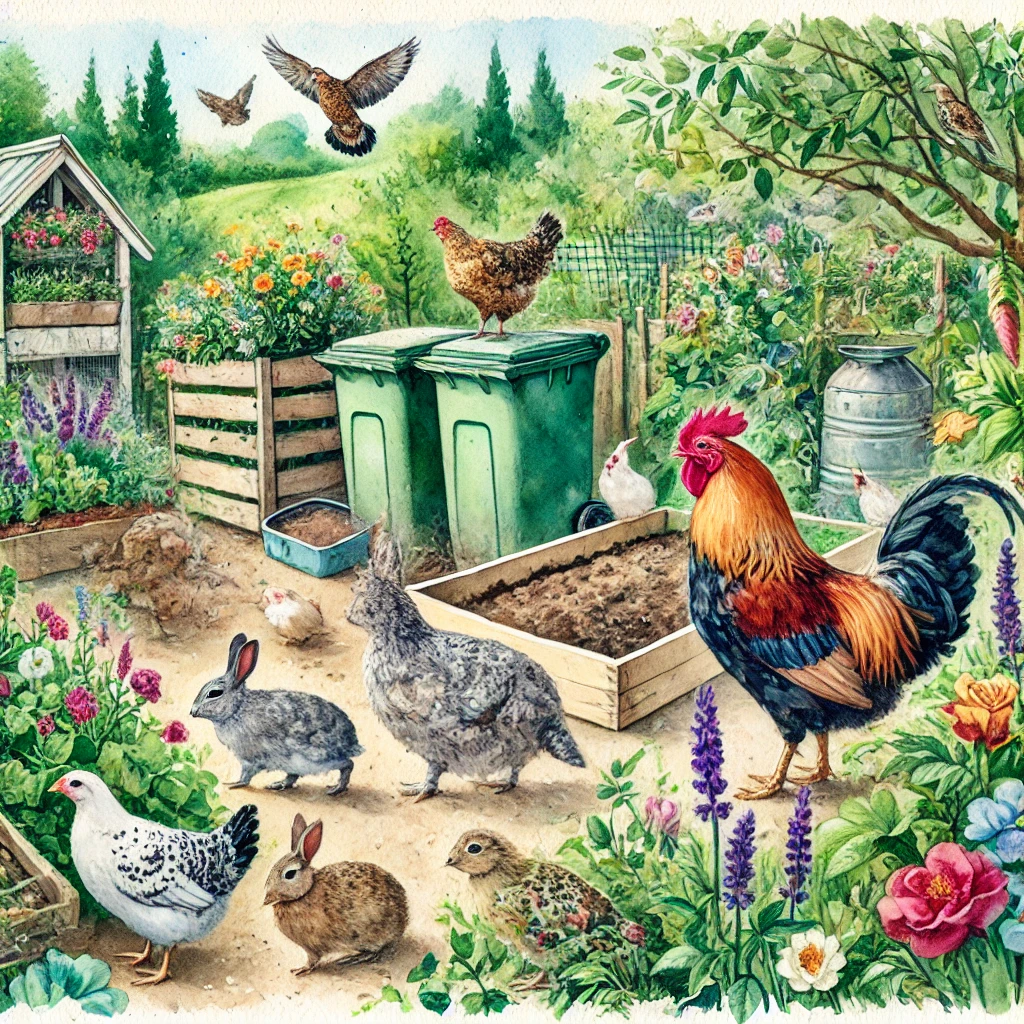
To truly embrace self sufficiency, it’s worth considering the role of livestock and wildlife in your garden. Animals can provide a reliable source of food. They also contribute to the health and resilience of your garden ecosystem. By raising small livestock and encouraging wildlife, you’ll create a balanced, productive environment that works in harmony with nature.
Raising Livestock for Self-Sufficiency
Even in small spaces, certain types of livestock can be managed effectively to support your self-sufficiency goals. Examples include:
- Chickens: Provide fresh eggs, natural pest control, and manure for composting. They are easy to care for and suitable for urban and rural settings.
- Quail: Ideal for small spaces, producing eggs regularly, and their manure serves as a great garden fertilizer.
- Rabbits: Excellent for manure and, in some cases, meat production. Their waste can be used directly in the garden as it doesn’t need composting.
Encouraging Wildlife for a Healthy Ecosystem
Creating a wildlife-friendly garden ensures natural pest control, pollination, and improved soil health. Ways to attract beneficial wildlife include:
- Pollinator-Friendly Plants: Grow flowers such as lavender and marigolds to attract bees and butterflies.
- Habitat Creation: Provide bird boxes, create ponds, and leave log piles for beneficial creatures such as birds, frogs, and hedgehogs.
By integrating livestock and wildlife, you’ll increase your garden’s productivity. This integration will also contribute to its long-term health and sustainability.
Starting Small and Scaling Your Self-Sufficiency Garden
When starting your self sufficiency journey, it’s important to begin small and scale gradually. Whether you have a small backyard or a larger allotment, focus initially on what you can manage. This focus is key to long-term success.
Beginner’s Guide to Starting Small
For beginners, start with high-yield crops such as leafy greens, potatoes, and beans. Raised beds or containers work well for small gardens. They give better control over soil quality. These options are also easy to manage. Additionally, consider vertical gardening for small spaces by using walls and trellises.
Successive Sowing and Scaling for Greater Yields
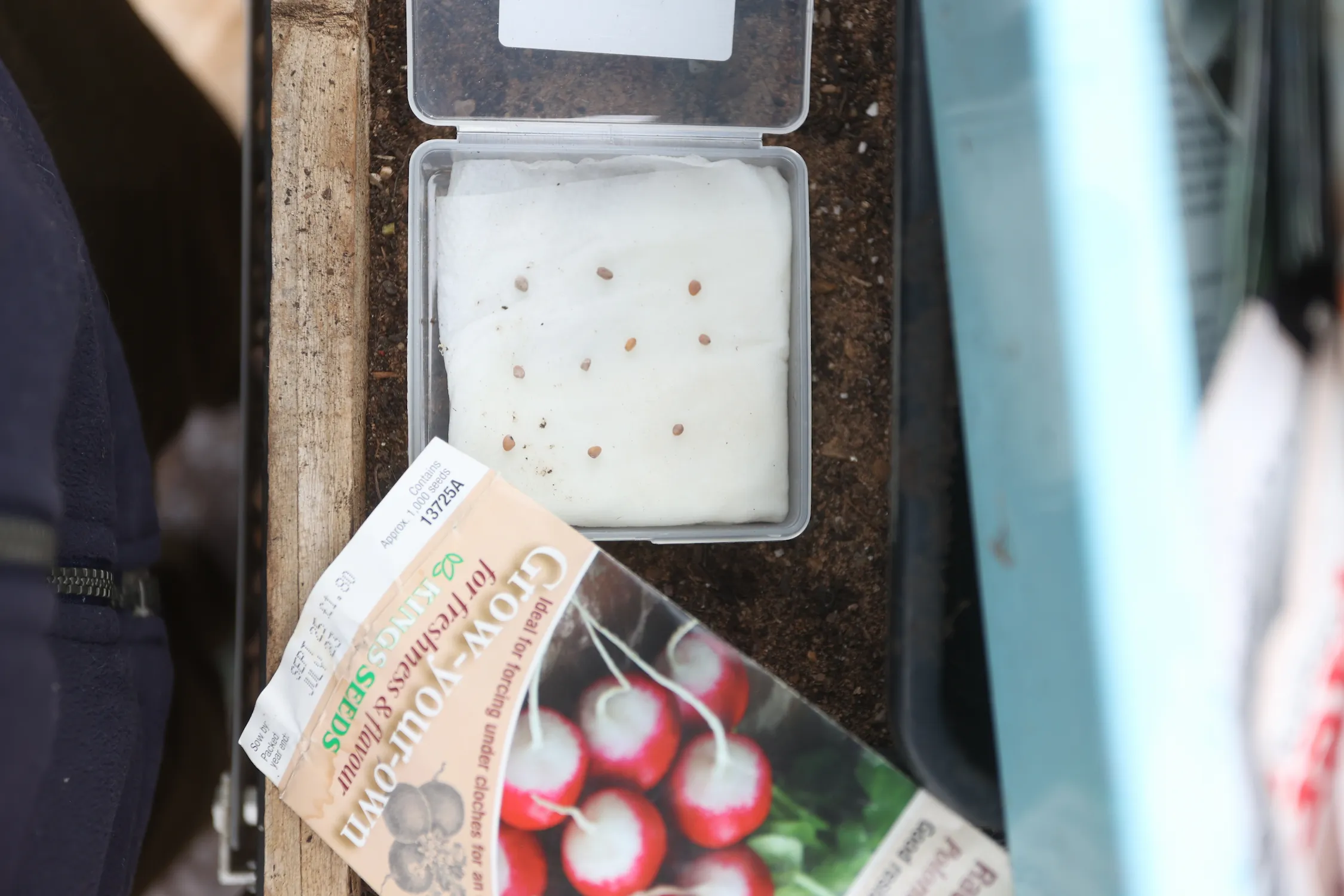
- Successive Sowing: To extend the harvest period, sow a small amount of crops every two weeks. Try planting kale, radishes, or corn. This approach ensures a continuous supply of fresh produce rather than experiencing feast-or-famine cycles.
- Scaling for Greater Yields: As your confidence and skills grow, expand your garden. Add more raised beds or introduce perennials. Consider planting fruit trees and berry bushes. Crop rotation and succession planting will help maintain soil fertility and ensure year-round productivity.
Scale at your own pace. Gradually build a larger and more diverse garden. This garden can meet more of your household’s food needs.

Conclusion: Achieving Self Sufficiency and Sustainability
Creating a self sufficiency garden is not just about growing your own food. It’s about cultivating a lifestyle that embraces sustainability and resourcefulness. Incorporating sustainable practices such as composting, water conservation, and permaculture techniques can transform your garden. It can become a thriving and resilient ecosystem. This ecosystem will provide for your household year after year.
You might be starting small with a few raised beds. Or, you could be scaling to a larger allotment. Every step you take towards self-sufficiency brings you closer to a more independent and eco-friendly lifestyle. With patience, planning, and a commitment to working with nature, your garden can greatly aid in living sustainably. It helps reduce your reliance on external food sources. Each small harvest and sustainable improvement is a step towards a healthier, more resilient future for you and the planet.
FAQ
- How much space do I need for a self sufficiency garden?
- The space required depends on your goals. A small garden with a few raised beds can provide herbs and leafy greens. A larger allotment allows for more diverse crops, fruit trees, and livestock integration.
- What are the best vegetables for beginners?
- Leafy greens, such as kale and spinach, are great choices for beginners. Potatoes and beans are also ideal because they are easy to grow. These vegetables provide high yields.
- How do I conserve water effectively in my garden?
- Use rainwater harvesting, greywater systems, and mulching to reduce the need for mains water and keep soil moisture consistent.
- Why should I choose heirloom seeds?
- Heirloom seeds grow true to type, which means you can save seeds for the next season. They also tend to be more resilient and better suited to home gardening.
- How long does it take to achieve self sufficiency?
- Achieving full self-sufficiency takes time and depends on factors like garden size, experience, and resources. Start small, learn through practice, and gradually scale your efforts.
- What livestock can I keep in a small garden?
- Chickens, quail, and rabbits are ideal for small spaces. They provide eggs, pest control, and manure for composting.


Leave a Reply