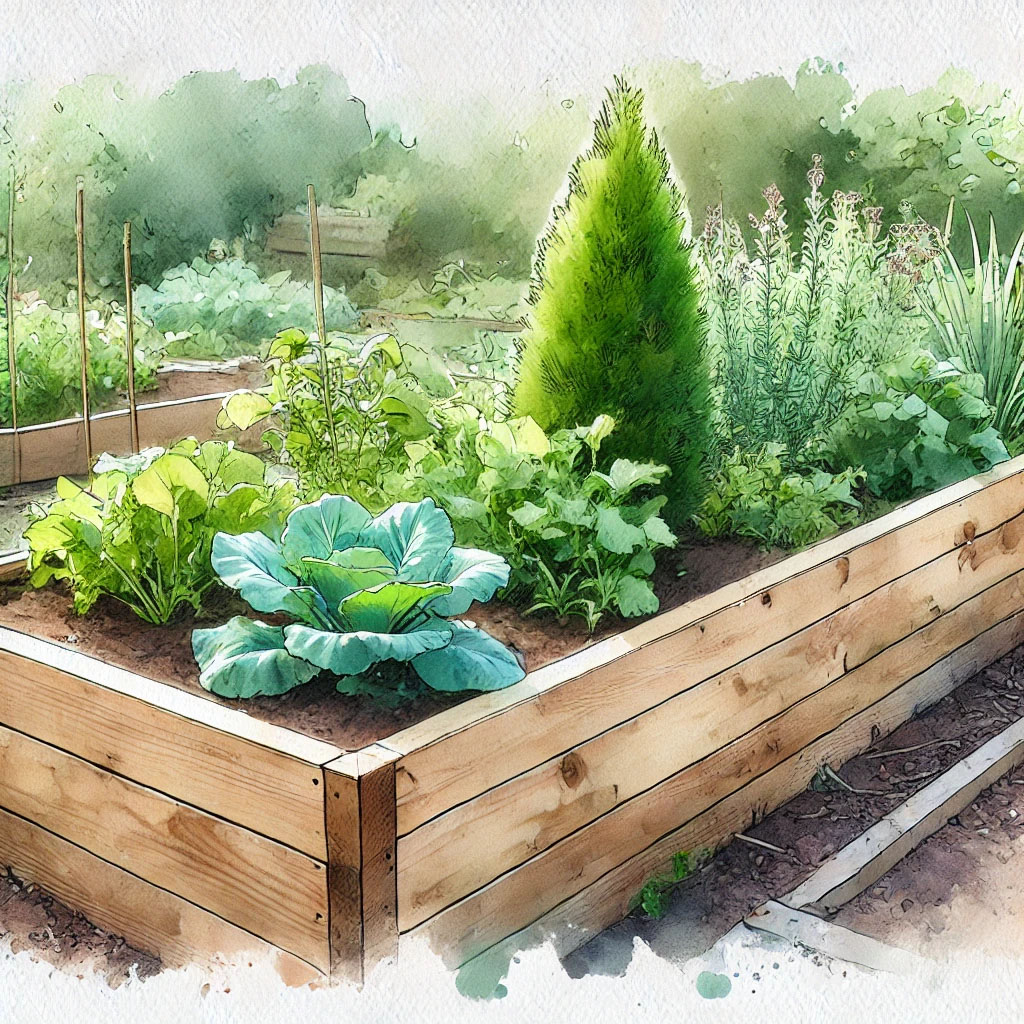
Building raised beds is one of the most effective ways to grow vegetables and herbs. This applies even if you have limited space. Whether you’re working with a small garden, an allotment, or a micro smallholding. Raised beds allow you to make the most of your space. They improve soil quality and let you grow more food with less effort. This simple, step-by-step guide will walk you through the process of creating your own raised beds. It will help you kick-start your micro smallholding journey. It will also maximise your garden’s potential.
Why Raised Beds Are Great for a Micro Smallholding
You might wonder, why use raised beds in your smallholding? Raised beds are a perfect solution for small spaces, allowing you to grow more crops in a confined area. Here’s why they’re a smart choice:
- Better Soil: One of the biggest advantages of raising up your beds is that you have full control over the soil. Whether you need to improve poor soil or adjust for pH levels, a raised bed lets you add compost. You can also add manure to make the soil richer and more fertile.
- Improved Drainage: They provide much better drainage than planting directly in the ground. This is especially useful if your garden has heavy clay soil or is prone to waterlogging. Better drainage means healthier plants.
- Easier to Manage: These beds reduce the need for bending down or digging into tough soil. This makes gardening much easier on your back and knees. This is especially true if you spend a lot of time in the garden.
- Grow More in Less Space: By planting intensively in raised beds, you can grow more food in a smaller area. This method is ideal for micro smallholdings or urban gardens. This means you can make every square foot count.
Have you ever thought about how much more you could grow by using raised beds? With just a small amount of space, you can maximise your harvest. It also makes it easier to care for your plants.
What You Need to Build a Raised Bed
Before you dive in, you’ll need some basic materials to build your raised bed. Here’s what you’ll need:
- Wooden Planks: Reclaimed wood or untreated timber is ideal. It’s eco-friendly, cost-effective, and better for your soil since treated wood can leach harmful chemicals.
- Screws: Use weather-resistant screws to hold the wooden planks together.
- Measuring Tape: To mark the dimensions of your raised bed.
- A Drill or Screwdriver: To assemble the frame.
- Soil and Compost: Once your raised bed is built, you will need a mix of topsoil. You will also need compost and well-rotted manure to fill it.
Step-by-Step Guide to Building a Raised Bed
Let’s break it down into easy steps. Whether you’re a beginner or a seasoned gardener. These steps will guide you in creating raised beds that suit your space.
Step 1: Choose the Right Spot
Pick a sunny spot in your garden or smallholding for your raised bed. Most vegetables and herbs need at least six hours of sunlight a day. Ensure the location gets plenty of light. Don’t worry if you have a smaller or urban space. Using the sides of fences or corners can help maximise your growing area.
Step 2: Measure and Mark the Area
Decide on the size of your raised bed based on the space you have. A standard size is 4 feet by 8 feet. You can adjust this to fit your garden or micro smallholding. Use stakes or chalk to mark where the frame will go. Ensure your raised bed is in the best location for sunlight and easy access.
Step 3: Cut the Wood to Size
Now it’s time to cut your wooden planks to size. For a standard 4×8 foot raised bed, you’ll need two 8-foot planks for the long sides. You’ll also need two 4-foot planks for the shorter sides. Aim for a height of 12-18 inches. This is ideal for most vegetables. It allows their roots plenty of room to grow.
Pro Tip: Want to use eco-friendly materials? Opt for reclaimed wood, which is both sustainable and cost-effective. For more ideas on sustainable practices, check out our guide to eco-friendly gardening.

Step 4: Assemble the Wooden Frame
Once your planks are cut, it’s time to assemble the frame. Using weather-resistant screws, join the planks together to form a rectangle. If your raised bed will be more than 8 feet long, consider adding internal supports. This will prevent the wood from bowing under the weight of the soil.
Step 5: Prepare the Ground
Place your frame in the marked area and clear away any grass, weeds, or stones from inside the bed. If your soil is poor, you may want to lay down some cardboard. If you have heavy clay, consider using landscape fabric to suppress weeds and improve drainage.
Step 6: Fill the Raised Bed with Soil
Now for the fun part—filling your bed! A balanced mix of topsoil, compost, and well-rotted manure is ideal for most crops. This combination provides a nutrient-rich environment for your plants to thrive. Aim for a 50% topsoil, 30% compost, and 20% manure mix to ensure the right balance of nutrients.
Step 7: Start Planting
Your raised bed is ready to go, so now it’s time to plant. Choose crops that grow well in small spaces, such as tomatoes, lettuce, carrots, and herbs like basil and parsley. Raised beds are perfect for root vegetables like radishes and beets since they need loose, well-drained soil to grow properly.
Looking for more inspiration on what to plant? Check out our growing guides for tips on the best crops for small spaces.

Maintaining Your Raised Beds
Once your raised bed is built and planted, maintaining it is simple. Here are a few tips to keep your raised beds productive all year long:
- Water Regularly: Raised beds tend to dry out faster than in-ground beds. So make sure you water them more often. This is especially important during hot weather.
- Add Mulch: Mulching helps retain moisture, suppresses weeds, and regulates soil temperature. Organic mulches like straw, grass clippings, or compost are great options.
- Top Up the Soil: Each season, add a fresh layer of compost or manure to keep the soil fertile.
- Rotate Crops: Rotating crops each season helps prevent soil depletion and reduces the risk of pests and diseases.
Did you know? Crop rotation is a key part of keeping your raised beds healthy. For more tips on sustainable gardening practices, check out our post on composting and organic pest control.
Best Crops for Raised Beds
Raised beds give you the flexibility to grow a variety of crops in a small space. Here are some of the best crops to plant in your raised bed:
- Tomatoes: Perfect for small spaces and raised beds. Cherry tomatoes, in particular, are easy to grow and produce a large yield.
- Lettuce: Quick-growing and space-efficient, lettuce is a great staple crop for raised beds.
- Carrots: Raised beds provide the loose soil carrots need to grow long and straight.
- Herbs: Basil, parsley, and thyme are ideal for raised beds and don’t take up much room.
- Radishes: Fast-growing and small, radishes are perfect for raised beds, maturing in as little as four weeks.
If you’re wondering which vegetables grow best in your area, take a look at our local planting guide. It offers more tailored advice.
Why Raised Beds Are Ideal for Small Spaces
Raised beds are a great way to maximise growing potential in small spaces. Here’s why they work so well for micro smallholdings:
- Space Efficiency: You can plant crops closer together in raised beds. The soil in raised beds is richer and better-draining than ground-level soil.
- Less Weeding: Because raised beds are compact and contained, they require less weeding. Mulching can also help suppress weeds.
- Healthy Plants: The improved drainage and soil control in raised beds mean your plants are healthier and more productive.
- Accessibility: Raised beds are easier to maintain for people with limited mobility since there’s less bending and digging involved.
Conclusion: Start Building Your Raised Beds Today
Building raised beds is a simple, cost-effective way to boost your garden’s productivity, no matter how small your space is. Whether you’re working with a garden, a backyard, or a micro smallholding, raised beds allow you to grow more food. They also make it possible to do so in less space. Follow this step-by-step guide to start building your own raised beds today. Create a productive, sustainable garden that meets your needs.
FAQs About Building Raised Beds for a Micro Smallholding
- What is the best size for a raised bed?
A standard size is 4 feet by 8 feet, but you can adjust the dimensions based on your space. Just keep the width to 4 feet or less so you can reach the middle easily. - What type of wood should I use?
Reclaimed wood or untreated timber is best to avoid chemicals leaching into the soil. Learn more about sustainable building materials in our eco-friendly gardening section. - How deep should a raised bed be?
A raised bed should be at least 12 inches deep. However, 18 inches is ideal for deeper-rooted plants like tomatoes or carrots. - Can I build a raised bed on concrete?
Yes! If you’re building on concrete, make sure the bed is at least 18 inches deep. Fill it with high-quality soil and compost. - Do raised beds require more watering?
Yes, raised beds dry out faster than in-ground beds. They need to be watered more frequently. This is especially important during hot or dry weather.
Leave a Reply