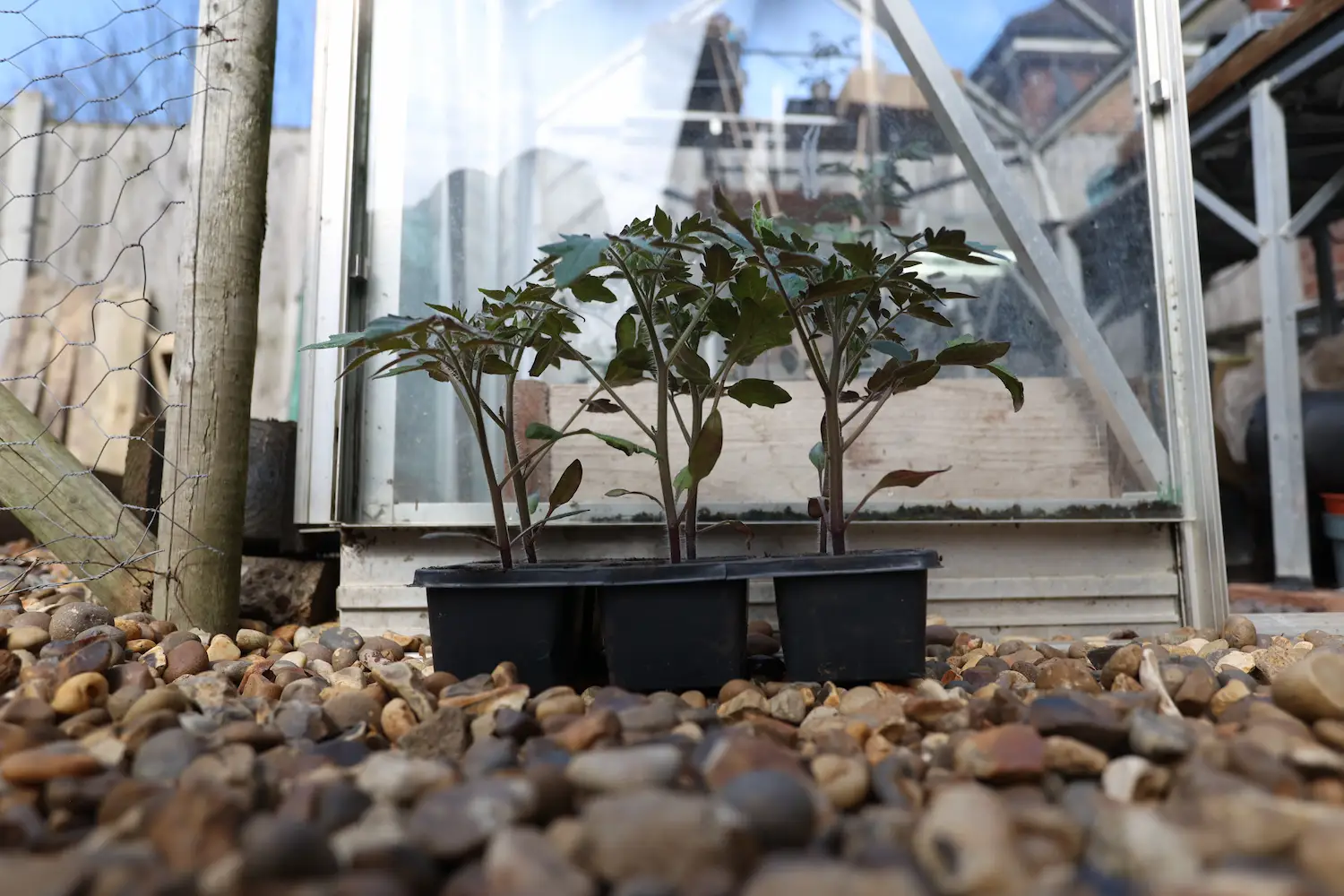
Hardening off helps indoor-raised seedlings adjust to outdoor life without a setback. The aim is simple: start with healthy plants, match them to the conditions, and build exposure in small steps.
At a glance
- Start with: Stocky seedlings, a decent root ball, and a few fairly calm days ahead.
- Go slower if: Plants are tender, the site is exposed, or nights still feel marginal.
- Usually easiest with: Brassicas, onions, leeks, and other hardy seedlings.
- Most likely setback: A mild day followed by a cold night or drying wind.
- End goal: A full day and a settled night outside without wilting, scorch, or a growth check.
UK timing note
Last checked: March 2026
Use the month as a clue, not a rule: A sheltered Zone 8a garden can move sooner than a colder inland plot or an exposed site. In the UK, the week ahead matters more than the date on the calendar.
I often forgot to harden off young plants before transplanting them outside. At the time, I did not realize this caused stress. This was likely why I lost some plants, and others were weak. Now I always harden off plants and seen an improvement in their health as they grow.
Check the seedlings first
Before you look at the forecast, look at the plant. Seedlings are easiest to harden off when they are sturdy, already carrying true leaves, and rooted well enough to hold together when you tip the pot.
Weak, leggy, or recently stressed seedlings need sorting first. If they are still stretching for light, use how to prevent leggy seedlings before sending them outdoors.
I used to harden off by mood rather than by evidence. A mild afternoon made me think the plants were ready. Some coped, but others stalled after a cold night or a breezy day. Slowing down and repeating a step when the weather shifts has worked much better for me.

Hardy seedlings usually move outside sooner than tender ones. Brassicas, onions, leeks, and hardy annuals tend to cope first. Tomatoes, courgettes, cucumbers, basil, and other tender plants need a gentler run-up.
If you are still at the sowing stage, starting seeds early in the UK helps you raise stronger plants in the first place.
Use the weather gate to pause or proceed
The weather gate is the rule that decides whether you move on, hold steady, or step back. If wind, strong sun, or night temperatures look tougher than your seedlings can handle, do not push on just because the next day in the plan has arrived.
In practice, it is simple. If the plants still look calm and the forecast still suits them, move forward. If they look stressed or the conditions turn, repeat the previous step or bring them back under cover.
When to do this
- The seedlings are stocky rather than thin and floppy.
- The next few days look fairly settled, even if they are not perfect.
- You can shelter or cover plants if the weather shifts.
When to skip it
- You are relying on one warm afternoon rather than the wider forecast.
- The site is exposed and you cannot protect plants from drying wind.
- The seedlings are already stressed, pale, or pot-bound.
This is where many losses happen in UK gardens. The problem is rarely a dramatic frost on its own. More often, it is a bright, breezy day followed by a sharp night, or a tender plant left out too early because the afternoon felt kind.
If cold protection is your weak point, horticultural fleece and cloches in the UK helps you choose simple cover that buys you time.
The RHS guidance on hardening off tender plants is a great resource for learning more about hardening off young plants.
Follow a simple 7 day plan
Treat this as a baseline, not a rigid timetable. A sturdy brassica in a calm spell may move through it quickly. A tender seedling in a windy week may need you to repeat days.
- Day 1: Put seedlings outside for a short spell in bright shade and shelter. Bring them back under cover before they look tired.
- Day 2: Give them a little longer outside in the same sheltered conditions. Check compost moisture when they come back in.
- Day 3: Aim for half a day outside. Add a little gentle morning or late afternoon sun if the plants still look calm.
- Day 4: Leave them out for most of the day. Keep wind protection in place and avoid harsh midday sun for tender plants.
- Day 5: Move towards a full day outside. Only do this if the plants still look sturdy by late afternoon.
- Day 6: Try a first night out only if the forecast looks mild and settled. If the night feels marginal, wait.
- Day 7: Leave them out for a full day and night if conditions still suit them. They are hardened off once they cope without flagging or stalling.
If you are out all day
Keep the routine simple. Put seedlings out in bright shade before work, not in full sun. Choose a sheltered spot, group pots together, and have fleece or a cold frame ready if the forecast looks uncertain.
When you get home, check four things: leaf firmness, stem posture, compost moisture, and whether the forecast has changed. If anything looks off, do not move forward the next day.
The Gardeners’ World guide to hardening off plants provides more information on ways to safely harden off plants.
Avoid the common setbacks
Common mistakes
- Reacting to one warm day: The wider forecast matters more than a pleasant afternoon.
- Starting in full sun: Indoor leaves scorch fast when they meet bright spring sun too suddenly.
- Ignoring wind: Wind dries compost quickly and batters soft stems before you realise.
- Overwatering before a cool night: Cold, wet compost slows roots and adds stress.
- Trying to keep to the timetable at all costs: Repeating a day is usually better than rescuing a setback.
Most setbacks come from moving too fast. Hardening off works best when the plants are ready and the conditions are manageable. It rarely ends well when you try to force the season.
Know when something is wrong
Signs it is working
- Seedlings stay upright and keep a steady colour.
- Leaves look firm rather than limp by late afternoon.
- New growth continues without a sudden stall.
- Plants look stockier after a few days, not more stretched.
Signs something is wrong
- Pale or crispy patches suggest too much sun too soon.
- Wilted plants with dry compost point to wind or heat stress.
- Darkened, purpling, or stalled growth often follows cold nights.
- Floppy stems and tired leaves mean you moved too fast.

You do not need perfect leaves to stay on track. A small wobble is normal. What matters is whether the plant settles again quickly or keeps getting worse.
Recover after a setback
If seedlings get checked, slow the process down at once. Move them back to bright shade and shelter, stabilise watering, and hold them there until they look steady again.
- Sun scorch: Move plants out of direct sun and remove only leaves that are fully crisp.
- Wind damage: Use a barrier, group pots together, and repeat the previous step in a calmer spot.
- Cold check: Bring plants under cover and wait for fresh growth before moving on. Check out RHS advice on frost damage if your plants get dmaaged by spring frosts.
- Limp seedlings: Check the compost before watering. Dry and soggy can both look like wilting.
Resume from the last step the plants handled well, not the step you hoped to reach. If cold has been part of the problem, protecting potted plants from frost in the UK is the next useful read.
Know when to plant out
Only plant out when seedlings handle a full day outside without wilting. They should also manage at least one settled night well. The soil should be workable, not waterlogged, and you should still have cover ready if the weather turns.
Do not let one mild spell rush you. A hardened off plant is tougher, but it is not invincible. The first few nights after planting still matter.
If you are planning the next jobs in the season, knowing what to sow in March helps you sequence what comes next.
Hardening off checklist
- Check the forecast for the whole week, not just today.
- Start in bright shade and shelter from wind.
- Repeat a day if plants look stressed or the weather shifts.
- Keep fleece, a cloche, or a cold frame ready for setbacks.
- Plant out only after seedlings cope with a settled day and night outside.
FAQs
When should I start hardening off seedlings in the UK?
How long does hardening off usually take?
Can I harden off seedlings in a cold frame or unheated greenhouse?
What should I do if a cold snap arrives mid-plan?
Hardening off is not about bravery or sticking rigidly to a timetable. It is about helping seedlings adjust without a shock. Move in small steps, watch the forecast, and let the plants tell you when they are ready for more.
You must be logged in to post a comment.