What to sow in March in the UK does not depend solely on the calendar. It depends more on your setup, soil condition, and frost risk. This guide helps you decide what to start under cover. It also helps you determine what can go outside now. It guides you on where waiting is the smarter move.
At a glance
- Best choice if: You have a greenhouse, bright windowsill, cold frame or other sheltered place to start seeds.
- Skip outdoor sowing if: Your beds are still wet, smeary, compacted or exposed to sharp late cold.
- Best March approach: Start more under cover than you think, then direct sow only the crops and beds that are genuinely ready.
- Main risk: Treating one mild spell as proof that spring has settled.
- Good early wins: Broccoli, chives, sorrel, fennel and kohlrabi under cover, with carrots, spinach, radish, peas or salad leaves outside when conditions allow.
UK timing note
Last checked: March 2026
Use this as a guide, not a fixed date: Sheltered southern gardens can move a little earlier than colder inland, northern or exposed sites. Frost risk and soil condition matter more than the calendar alone. Keep an eye on the Met Office frost guidance when nights are still turning sharp.
Sow these in March under cover first
March is one of the best months for protected sowing. In many UK gardens, that means a greenhouse, windowsill, cold frame or propagator rather than open ground.
This works because spring light improves before night temperatures become reliably kind to young seedlings. If your garden is frost-prone or exposed, keep that boundary tight. One warm afternoon is not a green light for everything.
Use March to build a head start where protection gives you an advantage. That usually means sowing earlier under cover, not planting outside earlier than conditions justify.
If you want a broader setup guide first, read how to start seeds early in the UK. For a useful benchmark on March sowings, the RHS guide to what to sow in March is a sensible cross-check.
| Best March use | Protected sowing and cautious early starts |
| What changes the advice | Frost risk, exposure, soil drainage and shelter |
| What to avoid | Cold wet beds, rushed transplanting and warmth without enough light |
| Useful setup | Bright light, steady moisture and ventilation after germination |
Direct sow these in March only when conditions are right
Some seeds can go outside in March, but only when the soil is workable and not cold, sticky or waterlogged. If the bed still smears into clods after rain, waiting is usually the better decision.
Direct sowing fails in March when seeds sit in cold, airless ground and do very little. Lighter, better-drained plots often move first. Heavy, wet or exposed beds often need more patience.
The best March direct-sow options are usually the crops that cope with cool spring conditions better than tender seedlings do. In many UK gardens, this includes carrots, beetroot, spinach, radish, and peas. Fast salad leaves can also be grown, but only when the bed is genuinely ready.
That does not mean every March should look the same. A mild, sheltered site may get away with more. A cold, wet plot may still be better off sowing very little outside and pushing protected starts instead.
When to do this
- The soil crumbles rather than smearing in your hand.
- The bed drains reasonably well and does not stay cold for days after rain.
- You are sowing a crop that can cope with cool spring conditions better than tender seedlings can.
When to skip it
- The bed is sticky, compacted or exposed to sharp cold nights.
- You are reacting to a single warm day rather than the wider forecast.
- You cannot protect the sowing or resow easily if conditions turn back against you.
For a wider March jobs picture, the RHS grow your own jobs by month page is useful. March gardening tips is an excellent next read. It helps you decide what else is worth doing now.
Choose the best March seeds for your setup
Choose March seeds by setup, not by a random list. The right sowing for a heated propagator may not suit an unheated greenhouse. It might not fit a bright windowsill or a wet outdoor bed either.
This usually gives better results because the crop matches the protection you actually have. If your setup is basic, start with the easiest protected sowings first. Do not assume every March seed needs bottom heat.
Best under cover in modules or small pots
Broccoli is a strong March under-cover sowing. It is ideal if you want an early brassica start. This method helps avoid planting into cold ground too soon. Sow it in modular trays. This reduces root disturbance later. Brassicas usually move on better when each seedling has its own plug.
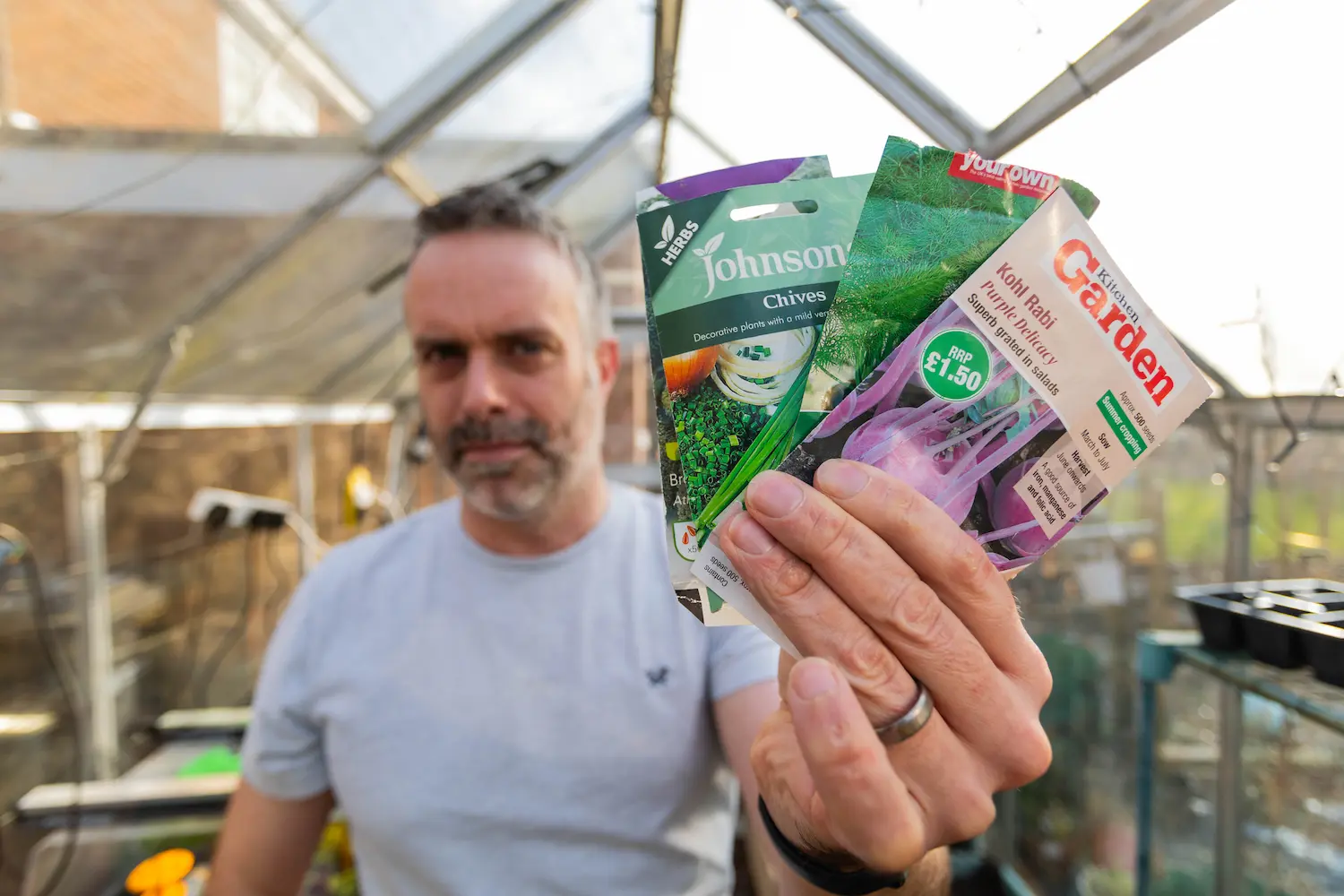
Chives are one of the safer March herb sowings if you want something useful without much fuss. I like chives along the path of my kitchen garden because they are easy to reach when cooking. That same habit makes them a good fit for pots, path edges and small-space beds.
Sorrel earns its place if you want a hardy perennial herb rather than another quick annual. Sow it under cover in March, then move it on once the seedlings are large enough to handle. An early protected start is easier than asking slow young plants to deal with cold spring ground straight away.
Best if you want a more careful sowing
Fennel is worth sowing now only if you are clear that this is herb fennel. It is not a promise of easy bulb production in every March garden. It dislikes root disturbance. Sow it where it can grow later. Alternatively, use modules and transplant gently once conditions improve.
Best if you want something distinctive to grow
Kohlrabi is a good March choice under cover if you want a crop that feels worth growing yourself. It is not something I see often in the supermarket. That makes it a sensible seed-tray crop when you want variety as well as reliability.

If you are trying to decide whether you have already missed your window, open this guide next. It will help you figure out if it’s too late to sow seeds indoors. If you want an organic view of what is worth sowing now, you can use Garden Organic’s March sowing guide. This guide provides a useful comparison.
Avoid the March sowing mistakes that set seedlings back
The main March mistakes are sowing too early outdoors. Another mistake is giving seedlings warmth without enough light. Finally, moving them out too fast can be problematic. These mistakes usually matter more than whether you picked the perfect seed packet.
Seedlings fail more often from conditions and aftercare than from crop choice alone. The risk rises after bright mild days followed by cold clear nights. Treat a poor start as a timing or setup problem first rather than assuming the seed was poor.
Common mistakes
- Sowing outdoors into cold wet soil: Seeds can sit, rot or emerge unevenly instead of making a clean start.
- Leaving seedlings too warm after germination: Warmth without strong light encourages weak, stretched growth.
- Keeping compost sodden: Seedlings need moisture, but stale wet conditions make damping off more likely.
- Hardening off too fast: A sudden move from shelter to open air can check growth or trigger stress, especially with broccoli and kohlrabi.
If your seedlings are already stretching, read how to prevent leggy seedlings. If they are collapsing at the base, or if the compost surface is turning stale, check this. Open how to prevent damping off in seedlings next.
Do this after sowing so seedlings keep moving
After sowing, the next job is keeping seedlings bright, steady and gradually acclimatised. Remove extra heat once seedlings are up. Keep the air moving. Delay outdoor moves until the wider forecast is improving.
This matters because steady light, moisture and airflow usually produce sturdier seedlings than constant warmth does. If nights are still turning sharply cold, keep plants sheltered longer. Do not leave them on bottom heat for longer than needed.
Signs it is working
- Seedlings stay compact and upright rather than leaning hard towards the light.
- Leaves look green and steady instead of racing into thin soft growth.
- The compost surface dries slightly between waterings without turning bone dry.
Signs something is wrong
- Long pale stems usually mean too much heat, too little light, or both.
- Seedlings that stop moving after a cold snap may have been checked by stress rather than killed outright.
- Sudden flopping or mould around the stem base points to stale, wet conditions that need correcting quickly.
Harden plants off before transplanting, especially broccoli and kohlrabi. March-grown seedlings can go backwards fast if they move from shelter into open spring weather too suddenly. If that is your next step, use how to harden off seedlings before planting out.
Quick March sowing checklist
Quick March sowing checklist
- Check soil condition before direct sowing anything outside.
- Use protection first for crops that need a steadier start.
- Ventilate seedlings after germination instead of keeping them too warm.
- Watch the wider forecast, not just one mild day.
- Harden plants off gradually before planting out.
The video below shows the original sowing list behind this refresh. Use the article for the March decision first, then use the video if you want a quick visual walk-through.
Leave a Reply