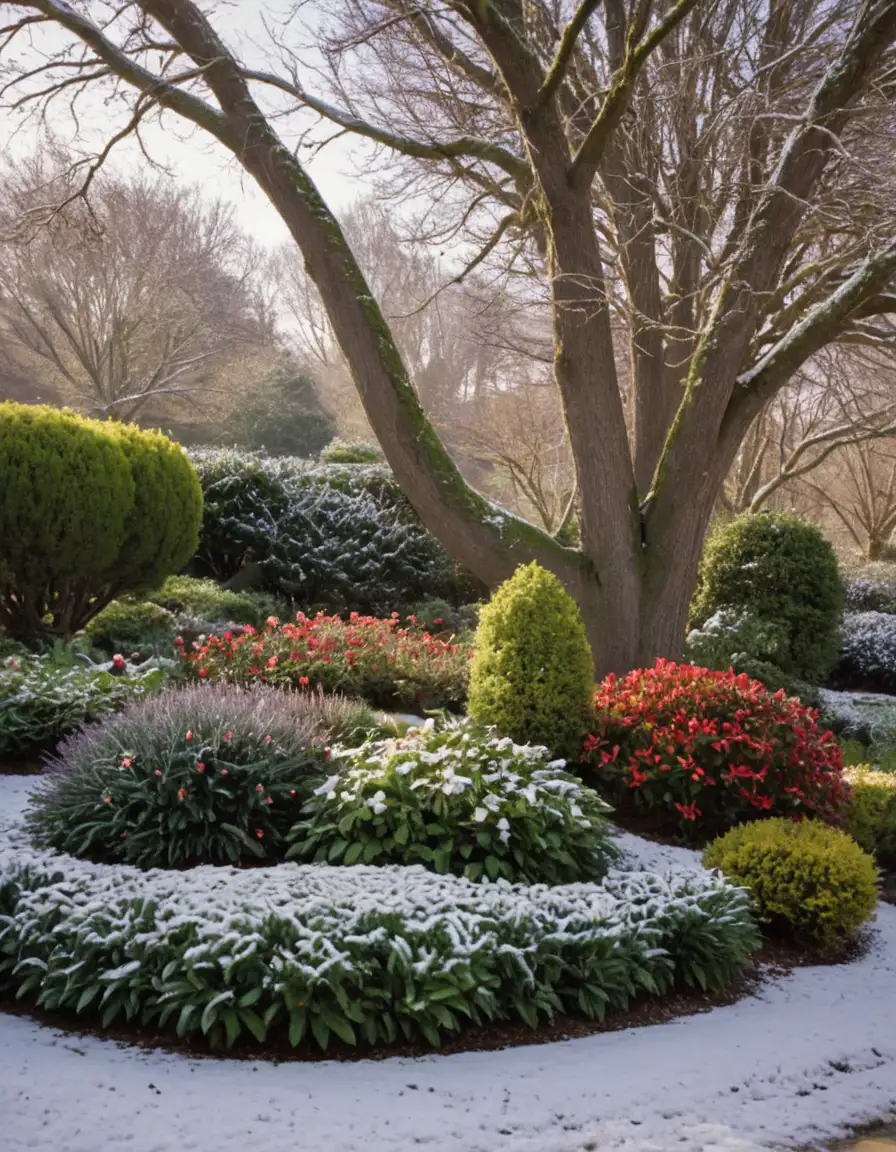
What are the best frost-resistant plants for UK gardens?
Frost-resistant plants include hellebores, snowdrops, boxwood, thyme, and lavender. These hardy species withstand freezing temperatures and can continue providing structure, scent, or even flowers when most others have died back.
April is always the trickster.
One day it’s 18°C and everything feels alive — the next, we’re scraping frost off the car and covering seedlings in a panic. I’ve learned this the hard way over the years in my East Anglia garden (Zone 8a). It doesn’t take a brutal winter to cause damage — just one rogue frost at the wrong moment.
Whether you’re dealing with unexpected spring cold, planning a colourful winter garden, or choosing low-maintenance plants for pots, knowing which plants can take a frost hit (and how to protect the rest) is key to avoiding disappointment.
This post covers:
- What frost really does to plants
- Frost-hardy vs frost-tolerant: what you need to know
- 15 resilient plants I’ve used and loved
- The best options for pots and veg beds
- My frost strategy (after many mistakes!)
- A robust FAQ answering what UK gardeners search for most
Let’s dig in.
What does frost do to plants?
Frost is more than just cold air — it’s a biochemical ambush.
As temperatures dip below 0°C, water inside plant cells starts to freeze. This can:
- Create ice crystals that pierce delicate cell walls, causing soft tissues to collapse
- Draw water out of plant cells (a process called extracellular freezing), leading to cellular dehydration and tissue damage
Some hardy plants bounce back, but tender annuals, unhardened seedlings, and newly planted perennials often don’t stand a chance — they wilt into mush almost overnight.
Frost risk increases under these conditions:
- Clear skies – no cloud layer to retain warmth
- Still air – cold air settles at ground level without wind to mix it
- Waterlogged soil – roots become stressed and prone to rot
Even in a relatively mild UK winter, a single night of clear, calm weather can be lethal — particularly in frost hollows, exposed raised beds, or unprotected pots.
Tip: Sloped gardens or sites near fences may offer microclimates that reduce frost damage.
RHS Frost Protection Guidance →

Frost-hardy vs frost-tolerant: what’s the difference?
Understanding this distinction has saved me so much heartache.
Frost-hardy plants survive sub-zero temps (often down to –5°C or beyond). They’re typically evergreen, dormant in winter, or naturally adapted to cold. Once established, they rarely need intervention — making them ideal for low-maintenance gardeners.
Frost-tolerant plants, on the other hand, can manage a brief cold snap, but struggle with prolonged exposure. They may look fine after one chilly night, then collapse after a few more.
Here’s a quick comparison:
| Type | Survives To | Needs Cover? | Typical Plants |
|---|---|---|---|
| Frost-Hardy | –5°C to –15°C | Rarely | Hellebores, snowdrops, thyme, boxwood |
| Frost-Tolerant | –1°C to –3°C | Sometimes | Calendula, pelargoniums, French lavender |
The UK’s mild-but-unpredictable climate makes this distinction crucial. One sunny spell in April can lure even seasoned gardeners into planting too soon — but a rogue frost, often without much warning, can undo weeks of careful work overnight. I’ve learned to check long-range forecasts religiously and keep fleece close by just in case. It’s better to wait than replant.
My 15 favourite frost-resistant plants (UK tested)
Over the years, I’ve tested dozens of plants in frost-prone conditions — some flourished, others failed. These are the ones I now trust.
1. Hellebores (Helleborus spp.)
Late-winter flowers that bloom even through snow. Thrives in partial shade and shrugs off cold. Self-seeds politely too.
2. Snowdrops (Galanthus nivalis)
Pushes up through frozen soil with ease. A hopeful sight when little else is stirring.
3. Lavender (English types)
Tough, aromatic, and surprisingly hardy when planted in free-draining soil. Avoid French lavender unless you’re willing to fleece it.
4. Thyme
Low-growing, evergreen, and highly adaptable to pots and beds. Adds scent and pollinator value.
5. Heuchera
Frost-tough foliage in deep purple, lime, or bronze. Use in borders or pots for year-round interest.
6. Bergenia
Leaves turn red with cold, then send up early spring flowers. Thrives in exposed spots and needs little care.
7. Winter Jasmine (Jasminum nudiflorum)
Bright yellow flowers from January onwards. Great on walls or fences.
8. Mahonia
Architectural evergreen with yellow flowers that bees love. Shade-tolerant and reliably tough.
9. Boxwood (Buxus sempervirens)
Classic evergreen for structure. Great in pots or hedging. Protect from box blight with spacing and pruning.
10. Carex (Sedge grasses)
Evergreen, tidy, and perfect for texture — especially in winter container schemes.
11. Hebe ‘Red Edge’
Compact, colourful foliage that holds well through winter. A good evergreen for small gardens.
12. Dwarf conifers
Slow-growing, sculptural, and great in pots. Choose varieties suited for small spaces.
13. Rosemary (Rosmarinus officinalis)
Copes well with frost if planted in sunny, dry spots. A dual-purpose herb and shrub.
14. Pieris japonica
Evergreen with early-season flowers and striking red new growth. Best in acidic soils or ericaceous compost.
15. Cyclamen coum
Low-growing and surprisingly hardy. Blooms in late winter with jewel-toned petals.

What are the best frost-resistant plants for pots?
Pots are more vulnerable to cold than in-ground beds because they freeze faster and offer less root insulation. But with the right choices, your containers can stay lively even during hard frosts.
These plants have proven themselves in my winter pots:
- Thyme and rosemary – fragrant, edible, and evergreen. Ideal for sunny patios and Mediterranean-style displays.
- Carex and dwarf grasses – great for movement, texture, and resilience. They look especially beautiful when frosted.
- Heuchera and bergenia – bold foliage in jewel tones that lasts all winter.
- Dwarf boxwood or conifers – add strong structure and stay green year-round.
Pro tips:
Group containers together to create a microclimate, and place them near house walls or fences for added shelter. Use pot feet to lift them off cold ground, and cover the surface with bark mulch or wool pellets to reduce moisture loss and insulate roots. In extreme cold, a layer of horticultural fleece overnight can make all the difference.
Choose frost-proof terracotta or plastic pots with good drainage holes to avoid cracking — and avoid overwatering during cold spells. A well-prepared pot will not only survive but thrive.
Frost-resistant vegetables to grow in winter
Yes, you can grow food in frosty weather — and quite successfully.
Cold-season crops don’t just survive winter — some even improve in flavour and texture after a frost. With a little planning, you can enjoy fresh harvests when the rest of the garden is dormant. Here’s what I grow, reliably, in Zone 8a:
| Vegetable | Notes |
|---|---|
| Kale | Gets sweeter after frost due to sugar concentration. ‘Nero di Toscana’ is my go-to — tall, tough, and beautiful. |
| Garlic | Needs winter chill to form good bulbs. Plant between October and December for summer harvest. |
| Chard | Bold, colourful stems. Mulch to keep it going longer through the cold. Tolerates light frosts easily. |
| Broad beans | Autumn-sown ‘Aquadulce Claudia’ is extremely frost-hardy and provides one of the earliest crops in spring. |
| Spring cabbage | Transplanted in autumn, it grows slowly but steadily through winter and is ready by March or April. |
Soil tip: Cold is one thing — but cold and soggy is a killer. Make sure your winter beds have good drainage. Raised beds, no-dig compost layering, or planting into mounded ridges can help prevent root rot and improve resilience.
Add fleece or cloche tunnels during harsh spells, but otherwise, let these tough vegetables do their thing — they’re made for it.

My frost strategy (learned the hard way)
I’ve lost full trays of seedlings because I was too eager to plant out in April. These days, I take a slower, more strategic approach.
Here’s what I do in Zone 8a:
- Delay transplanting until overnight lows stay consistently above 5°C
- Use fleece regularly in April — keep it folded near the greenhouse door
- Mulch perennials with compost or leaf mould in autumn
- Group containers near walls or under shelter
- Avoid pruning too early, letting dead material protect growth buds
That small amount of restraint? It’s made my garden stronger — and me a lot less stressed.
Frost FAQs for UK Gardeners
What plant survives frost in the UK?
Many perennials, herbs, and evergreens do well — including hellebores, snowdrops, thyme, boxwood, and carex grasses.
Which plants need frost protection in the UK?
Dahlias, pelargoniums, French lavender, salvias, and many annuals need lifting or covering in winter.
What is the most hardy plant ever?
Globally, alpine cushion plants and Siberian larch are among the most cold-tolerant. In UK gardens, hellebores and boxwood are near the top.
Frost-tolerant vs frost-hardy — what’s the difference?
Hardy plants endure prolonged frost without issue. Tolerant ones survive light frost but struggle if exposure is long or sudden.
Frost-resistant plants for pots?
Try rosemary, thyme, heuchera, dwarf conifers, and carex grasses.
Low-maintenance frost-resistant plants?
Yes — bergenia, heuchera, and mahonia need little intervention and thrive in poor conditions.
Small frost-hardy evergreen shrubs in the UK?
Look to dwarf mahonia, hebe ‘Red Edge’, and compact box.
Frost-resistant vegetables?
Kale, garlic, broad beans, spring cabbage, and chard all handle frost well with minimal protection.
Read Next
- Winter Plant Protection: How to Safeguard Your Garden from Frost
- Prepare Your Garden for Winter: 5 Essential Tasks for a Thriving Spring Garden
Leave a Reply