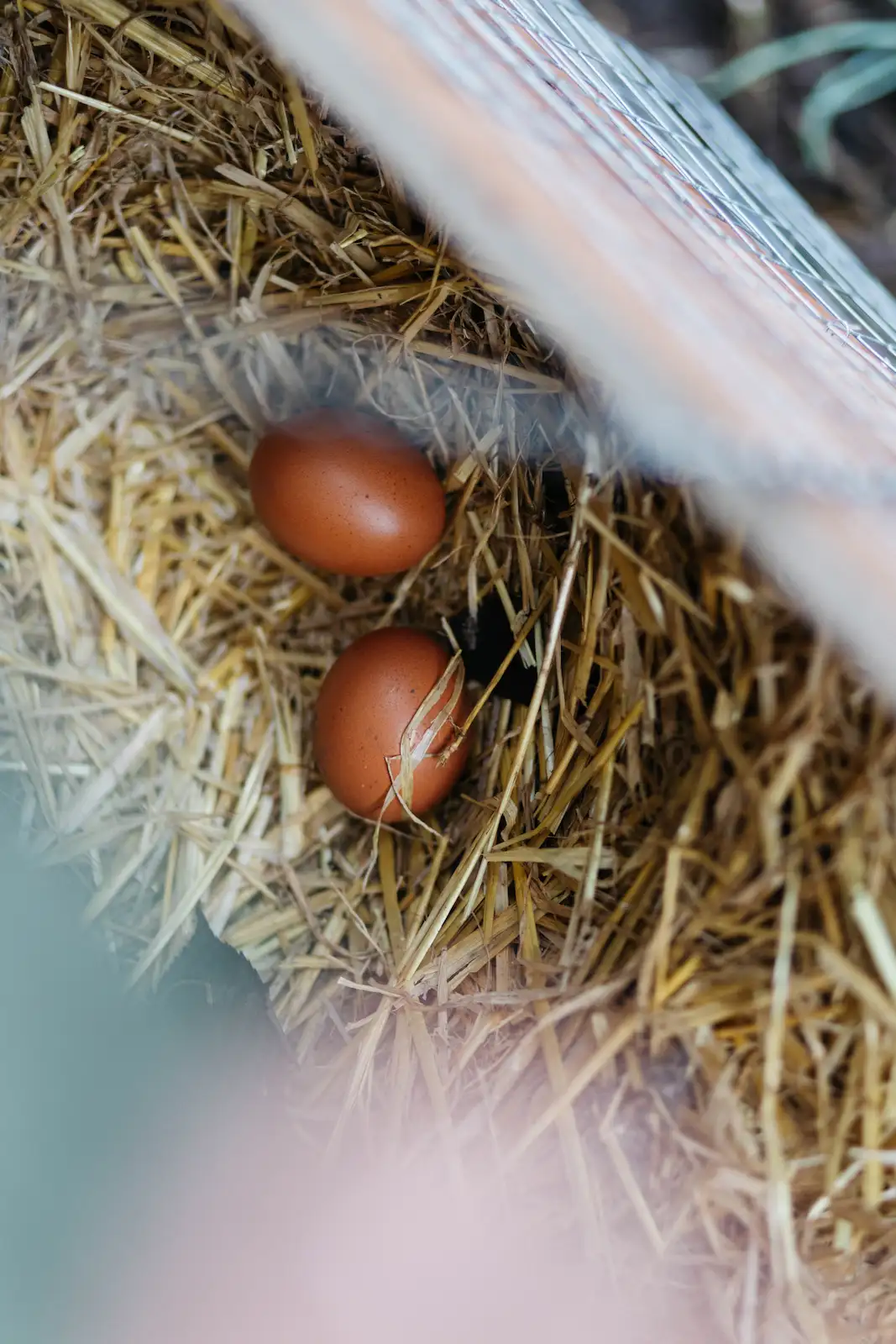
Chickens lay around 180 to 320 eggs a year. This amounts to roughly 4 to 6 eggs each week. The number depends on breed, age, and daylight hours. This guide explains daily and annual averages. It covers breed differences. It also tells you when to expect your first egg. This information helps you plan realistically for a small UK flock.
I used to assume each hen would produce eggs all year round. I thought they would lay eggs throughout their life. But, hens follow their own cycles. Light, age, and care all shape those rhythms — and once you notice them, they feel beautifully natural.
How many eggs does a chicken lay per day?
Most chickens lay between 4 and 6 eggs per week, not one every single day. Some hybrids come close to laying daily at their peak. Still, all hens have days off, especially during winter or when stressed. Chickens typically lay in cycles, influenced by daylight hours, breed type, and age. Even the most productive layers will skip days or take seasonal breaks.
Understanding this natural rhythm can help you avoid unnecessary worry. One week of lower laying doesn’t always mean something is wrong. Its just part of their biological pattern.
Next, let’s look at how much that varies by breed — and what that means for your egg basket.
Wondering what breed of chicken is right for you? Try our Chicken Selection Tool.
How many eggs do chickens lay per year (by breed)?
The annual egg total varies widely by breed. Some hens are bred specifically for high productivity, while others lay more modestly but consistently.
| Breed | Eggs per Year (UK average) | Notes |
|---|---|---|
| ISA Brown (hybrid) | ~320 | Peak producer in early years |
| Australorp (heritage) | ~300 | Reliable, winter layer |
| Leghorn (heritage) | ~280–320 | Prolific early layer |
| Rhode Island Red | ~200–250 | Steady dual-purpose breed |
| Sussex (Light/Buff) | ~250–270 | Docile UK favourite |
| Marans (Cooper Maran) | ~200–250 | Dark eggs, moderate output |
| Araucana (heritage) | ~150–200 | Blue/green eggs, slower to mature |
| Pekin Bantam (bantam) | ~100–120 | Small eggs, prone to broodiness |
Quick Summary:
Most chickens lay 4–6 eggs per week. Hybrids like ISA Browns can reach ~320 per year, while heritage breeds average 150–270 depending on care and conditions.
It’s worth considering your own goals. If you want volume, hybrids are hard to beat. But if you’re after variety, temperament, or coloured eggs, heritage breeds suit better.

What affects how many eggs chickens lay?
Egg production is shaped by several key factors:
- Breed – Genetics play a big role in productivity.
- Age – Hens usually start strong in their first year, then gradually lay fewer eggs each year. Want to know when a chicken will lay its first eggs – Read more here>>
- Light – Daylight triggers egg laying; hens need around 14 hours of light to maintain peak production.
- Nutrition – A balanced diet rich in calcium and protein supports laying.
- Stress – Cold snaps, illness, predators, and changes in routine can all cause dips in laying.
Many of these are outlined in the UK’s official Code of Practice for the Welfare of Laying Hens and Pullets. It sets out key recommendations around lighting, nutrition, and environment.
You can find a comprehensive set of best practice welfare standards. These are available in the RSPCA’s 2025 Laying Hens Welfare Standards PDF.
The RSPCA Assured website provides a helpful overview of common UK housing systems and egg production techniques. It notes around 13 billion eggs are produced annually by approximately 40 million hens.
Seasonal egg production: what to expect year-round
Most hens naturally reduce or stop laying in winter due to shorter daylight hours. You will find your egg basket noticeably lighter from October to February.
To keep consistent laying, some keepers use a low-wattage daylight lamp on a timer to supplement natural light. This is especially helpful for hybrids who thrive with 14–16 hours of light per day.
But here’s the part no one tells you: hens need downtime, too. A winter pause supports long-term health — and reminds you that eggs aren’t just a commodity. They’re seasonal.

Can chickens lay two eggs in one day?
It’s extremely rare. Occasionally, a hen can produce two eggs in 24 hours due to a glitch in her reproductive cycle. This occurrence is not something to expect regularly. More often, you see a double-yolked egg rather than two separate eggs.
How long do chickens lay eggs for?
Most hens lay well for 2 to 3 years. After that, production usually tapers off, though some birds continue to lay occasional eggs for years longer.
Henopause: Why Egg Numbers Dip Over Time
Egg output peaks around 12 months of age. After 2–3 years, production declines. Some hens continue laying sporadically into their fifth or even seventh year, depending on breed and health.
If you’re keeping hens for eggs and not as pets, you should consider this natural slow-down. Plan your flock size over time.
For wider context, government statistics show nearly 869 million dozen eggs were processed in the UK in Q4 2022 alone. Trends show an 8% year-on-year decline. (UK Egg Stats Q4 2022)
To help your chickens to continue to produce high quality healthy eggs you need to ensure they get the right feed and supplements. Here are our guides on what to feed chickens and why oyster shell is great for your chickens.
Want to track your hen’s laying habits?
Keeping a simple egg log can help you spot patterns in laying and find any issues early. It doesn’t have to be complicated — a notebook, spreadsheet, or printable tracker can do the job.
On my plot, tracking egg numbers helped me realise one of my birds had gone broody. It also gave me a gentle reminder of just how many eggs I was actually getting. It felt like “not many.”
Quick FAQ – Egg-Laying Questions from New Keepers
Do chickens lay eggs all year round in the UK?
Not usually. Most hens slow down or stop during winter unless you give artificial lighting for around 14 hours daily.
At what age do hens start laying eggs?
Most start between 18 and 24 weeks old, but this can vary by breed and season.
Do bantams lay fewer eggs?
Yes. Bantams lay smaller and fewer eggs but are often kept for temperament or garden suitability.
Can chickens lay eggs without a rooster?
Yes. Hens don’t need a rooster to lay eggs — only to fertilise them. Unfertilised eggs are still perfectly edible and are what most people eat.
Why did my hen suddenly stop laying eggs?
Common causes include shorter daylight hours, moulting, stress, or poor nutrition. Sudden stops are usually temporary, but always check for parasites or illness.
Do chickens lay eggs at the same time every day?
Not exactly. Each egg cycle takes around 25–26 hours. Laying gradually shifts later in the day. Eventually, the hen skips a day and resets.
How can I encourage more egg laying?
Give 14+ hours of light daily, a high-protein layer feed, fresh water, and a stress-free environment. Avoid overcrowding and keep the coop clean.
Should I let my hens rest from laying over winter?
Yes. Allowing hens a break during darker months can support long-term health, especially in heritage breeds. It also mimics their natural rhythm.
Egg numbers can be a helpful guide, but they’re not the whole picture. Some of the most enjoyable hens to keep aren’t the most productive. And that’s okay.
If you’re new to chicken keeping, egg output is just one piece of a wider, more rewarding picture.
Read next: Chickens for Eggs & Beginners – ISA Brown, Sussex & More
Leave a Reply