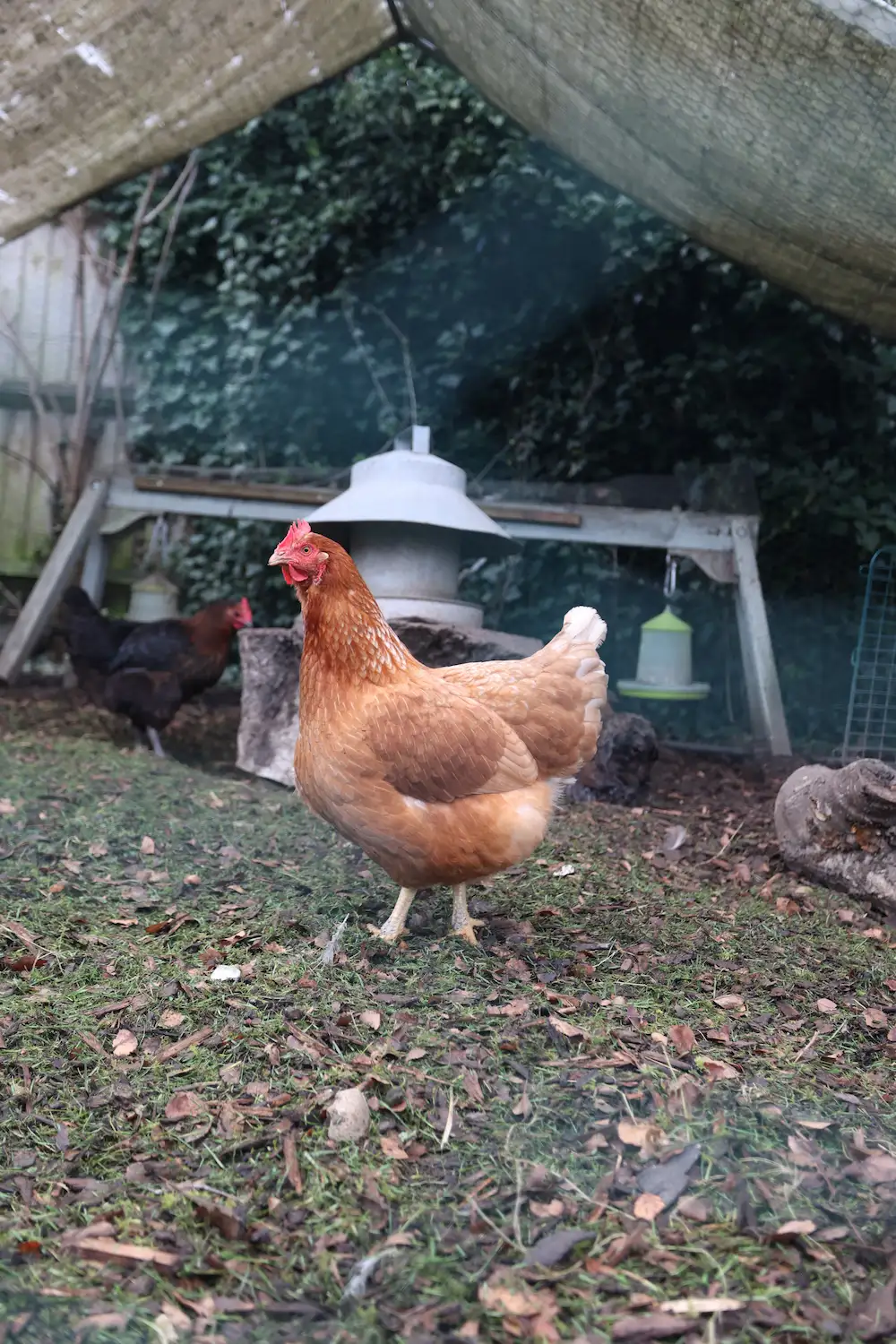
Spring in the UK is the ideal time for a 10-minute hen health check after winter. This practical routine helps you spot early warning signs. It allows you to understand what’s normal. You can then take the right next step today without panic.
- Observe: appetite, posture, breathing, movement.
- Handle: comb, eyes, nostrils, crop, keel, skin and feathers, vent.
- Coop scan: bedding damp, droppings changes, ventilation, pests on perches.
I regularly check the health of my hens. I like to have a more detailed look at the turn of each season. This way I get to know them, what is normal for them, and when things are wrong early.
This post is the spring reset routine, not a full chicken care course. If you’re brand new, first start with can you keep chickens in the UK in your garden or allotment. Then, come back here for the hands-on check.
Do the 10-minute spring health check
Do this when the flock is calm, ideally at the same time each week, so you learn their baseline. Because chickens hide illness well, a short, consistent routine catches small changes early.
Ensure you have the following items prepared. You need a towel and a head torch. You also need a small pot or bucket to stand a bird on. Finally, have something to note what you see. If you want a keeper-friendly walk-through of the exam order, refer to the British Hen Welfare Trust hen examination guidelines. They are a solid reference.
| Step | What to check and what to do |
|---|---|
| Observe (about 2 minutes) |
Look for: posture, appetite, movement, breathing. Normal: alert, interested in food, steady breathing. Red flags: hunched, fluffed up, isolating, not eating, open-mouth breathing. Do next: handle this bird first. |
| Handle (about 6 minutes) |
Look for: comb, eyes, nostrils, crop, keel, skin and feathers, vent. Normal: bright eyes, clean nostrils, crop feels right for the time of day, keel padded, vent clean. Red flags: discharge, wheeze, very pale comb, hard or sour-smelling crop, sharp keel, dirty vent, visible parasites. Do next: if multiple red flags, isolate and speak to a poultry vet. |
| Coop and run scan (about 2 minutes) |
Look for: bedding damp, droppings changes, smell, perch ends and joints, feed and water access. Normal: bedding dry, no strong smell, typical droppings mix, perch ends clear. Red flags: damp bedding, ammonia smell, repeated abnormal droppings, mites in cracks. Do next: clean and dry the coop, then use the deeper guides if needed. |
Observation is very underrated but we swear by it now. We found a Red Mite infestation. Our chickens looked pale and did not want to return to the coop at night.

If you only do one thing: listen to breathing and check the crop. In spring, damp mornings and a laying ramp-up can turn small problems into big ones quickly.
Housing drives health. If birds are crowded or stressed, you’ll see it in feathers, feet, respiratory signs, and pecking. Use the chicken coop and run size calculator to sanity-check space, perches and nest boxes.
Know what’s normal after winter
After winter, some hens look scruffier and may be rebuilding condition. That can be normal. What is important is recognizing the pattern. One mild sign can be a watch item. Two or three signs together require action.
| Area | Normal | Not normal |
|---|---|---|
| Eyes | Clear, open, no crust or bubbles | Foamy, swollen, crusted, held shut |
| Nostrils | Clean and dry | Wet discharge, bubbles, crusting |
| Comb | Plump and coloured for the bird’s current lay status | Very pale, shrivelled, blue-tinged, blackened tips |
| Breathing | Quiet, steady, no tail-bobbing | Wheeze, cough, gurgle, open-mouth breathing |
| Crop | Flatter first thing; soft and partly full later if eating well | Hard, very full when it should be empty, sour smell |
| Vent | Clean, with feathers mostly tidy | Dirty, swollen, bleeding, prolapse |
| Feet and legs | Walking comfortably, scales tidy, pads intact | Limping, hot swelling, cuts, raised scales, bumblefoot signs |
| Skin and feathers | Feathers lie flat; skin looks healthy when parted | Bald patches from pecking, irritation, lice eggs on feather shafts |
| Weight | Keel feels padded, bird feels steady in the hand | Keel sharp, breast muscle reduced, sudden weight change |
Droppings vary with diet and greens, but persistent extremes matter. If droppings are repeatedly bloody, very watery, or you suspect worms, collect a sample and talk to a vet. For the UK-specific feeding baseline that keeps droppings steadier, see what to feed chickens in the UK.
Use the action ladder today
Act quickly, but calmly. A hen can go downhill fast. Therefore, you want a simple decision path. Determine the first action and whether to isolate. Also, decide what to check in the coop and when to involve a vet.
Set up isolation for small flocks using a dog crate, spare coop, or penned corner in a shed. Ensure it has clean bedding, fresh water, and normal feed. Keep it quiet and dim. Check often, but minimise handling to reduce stress. We now keep a separate chicken coop to isolate a ill hen.
| Finding | What to do today (quick action ladder) |
|---|---|
| Hunched, fluffed up, not engaging |
First action: Confirm food and water access, then handle to check breathing and crop. Isolate? Yes if combined with other signs. Check in the coop: Damp bedding, ammonia smell, bullying. Simple supportive care: Warm, quiet, easy access to water and feed. When to call a vet: Same day if no improvement or multiple signs. |
| Not eating or not drinking |
First action: Offer fresh water and normal feed, then observe closely. Isolate? Yes. Check in the coop: Feeder access, stale feed, frozen or dirty drinkers. Simple supportive care: Warmth and quiet, monitor intake. When to call a vet: Urgent if refusal continues or bird is weak. |
| Respiratory signs (wheeze, discharge, open-mouth breathing) |
First action: Isolate immediately and reduce stress. Isolate? Yes. Check in the coop: Ventilation, damp, dust, ammonia. Simple supportive care: Warm, dry air, minimal handling. When to call a vet: Urgent; respiratory illness can spread. |
| Abnormal droppings repeatedly |
First action: Take a photo log and collect a sample. Isolate? Yes if severe or bloody. Check in the coop: Wet bedding, dirty waterers, sudden feed change. Simple supportive care: Normal feed and clean water only. When to call a vet: Urgent if bloody, very watery, or bird is lethargic. |
| Limping or foot pain |
First action: Inspect pads and between toes, check for heat or swelling. Isolate? Only if the bird cannot walk comfortably. Check in the coop: Perch surfaces, sharp edges, wet flooring. Simple supportive care: Soft bedding and rest. When to call a vet: If swelling, heat, pus, or rapid worsening. |
| Parasites suspected |
First action: Part feathers under wings and around the vent, then check perch ends. Isolate? Yes if heavy burden or the bird is pale. Check in the coop: Perch ends, joints, nest box corners. Simple supportive care: Clean and dry coop, keep the bird calm. When to call a vet: If the bird looks anaemic or infestation persists. |
| Hard crop when it should be empty, sour smell, repeated issues |
First action: Do not force emptying; isolate and remove access to long fibre treats. Isolate? Yes. Check in the coop: Grit access, bedding ingestion, feed quality. Simple supportive care: Water access only until vet advice. When to call a vet: Same day; crop problems need vet input. |
Welfare boundary: this checklist helps you spot problems early, not diagnose them. If you are unsure, the safest next step is to speak to a poultry vet. For general welfare principles, the RSPCA chicken welfare advice is a good baseline.
Watch these spring risks in the UK
Spring changes the game. Because temperatures rise and daylight increases, parasites wake up, coops stay damp, and hens often ramp back into lay. Use the risk map below to stay ahead.
| Spring driver | What to watch and what to do |
|---|---|
| Parasites becoming active |
What it triggers: Irritation, anaemia, drop in lay. What to watch: Scratching, pale combs, reluctance to roost. One prevention step: Night perch checks and crack-focused cleaning. Deeper guide: red mites in chickens. |
| Damp housing |
What it triggers: Respiratory stress, ammonia build-up. What to watch: Condensation, smell, wet bedding. One prevention step: Vent high and keep bedding dry. Deeper guide: chicken coop ventilation for damp UK winters. |
| Laying ramp-up |
What it triggers: Thin shells, calcium drawdown. What to watch: Shell quality changes, fatigue. One prevention step: Keep a balanced layers diet and free-choice calcium. Deeper guide: benefits of oyster shell for chickens. |
| Adding new birds |
What it triggers: Disease risk, bullying, stress. What to watch: Sneezing, lethargy, pecking injuries. One prevention step: Quarantine and a health check before mixing. Deeper guide: integrating new chickens into your flock. |
| More ranging and wild bird contact |
What it triggers: Biosecurity pressure. What to watch: Wild bird droppings near feed and water. One prevention step: Keep feed and water under cover. Deeper guide: bird flu protection zone guide. |
Omlet’s healthy hens checks page provides a quick and keeper-friendly overview. It covers what a regular check entails. This approach can help you build consistency.

Keep housing and biosecurity simple
Keep the basics boring and reliable. Most flock problems are made worse by damp, stress, and poor hygiene. Clean water and dry bedding will do more for health than most extras.
Do this weekly: scrub drinkers, refresh bedding, and check ventilation stays open even in bad weather. Use your space as a prevention tool. Check the chicken coop and run size calculator. Reduce crowding where you can.
During outbreaks and restriction periods, always follow official rules on housing, movement, and reporting in the GOV.UK avian influenza guidance. If you keep poultry, it’s also worth ensuring your keeper details are up to date so you receive alerts.
Make this a routine you keep
Make it easy to succeed. Do a daily glance check at feed time. Use the 10-minute routine once a week in spring and early summer. This is when risks rise. A routine you repeat beats a perfect routine you abandon.
In short: learn your hens’ baseline, act on clusters of red flags, and fix coop conditions fast. When you link the check to a regular moment (Saturday morning water refresh, for example) it becomes automatic.

FAQs
How do I health check a chicken?
How often should I check my hens for health problems?
What are the first signs a chicken is unwell?
How do I check for mites on chickens?
Should I worm my chickens in spring in the UK?
When should I isolate a chicken?
What does a healthy chicken comb look like?
Do chickens need to see a vet for a crop problem?
Final thoughts
This spring check is about calm attention, not perfection. Keep the routine short. Repeat it weekly. Fix housing issues quickly. You’ll catch most problems early. Your hens will stay steadier through the season.
You must be logged in to post a comment.