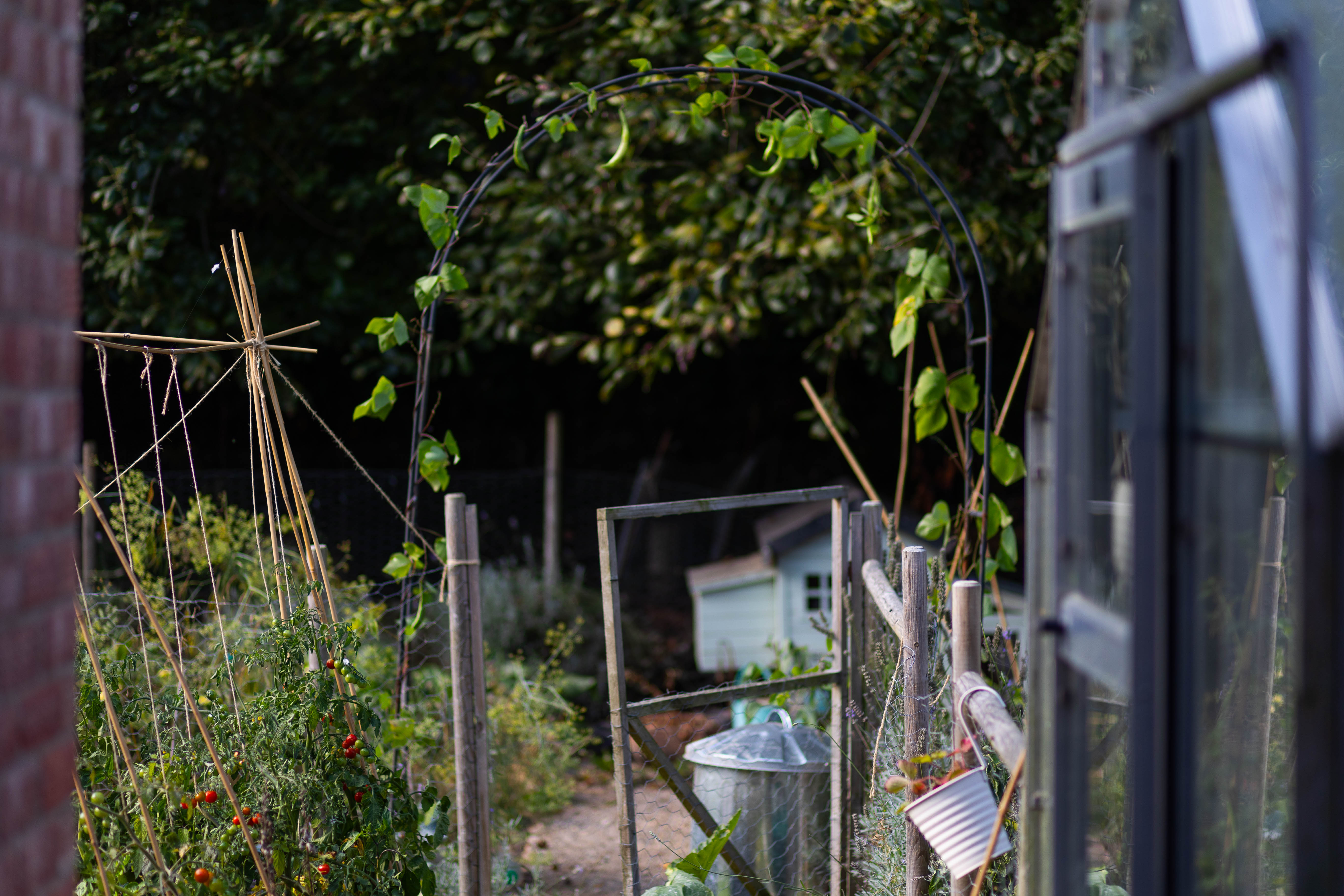
September is a pivotal month for vegetable gardeners. It’s time to harvest summer crops. It’s also time to prepare for the cooler months. You pick the last tomatoes. You plant for a winter harvest. The work you do now sets the stage for next year’s success. In this post, we cover essential tasks like harvesting, soil care, and preparing for fall. Follow these tips to ensure your garden thrives through the changing seasons.
Harvesting and Storing Crops
September is a busy month for harvesting, as many vegetables reach their peak and are ready for eating or storing. To make the most of your garden’s bounty, it’s important to harvest at the right time. You should also store your produce properly. Here are some key tips to guide you.
Key Crops to Harvest
September is the perfect time to harvest a variety of vegetables. Keep an eye on the next crops:
- Tomatoes: Harvest when they are fully coloured and slightly soft to the touch. If frost is forecasted, pick any green tomatoes and let them ripen indoors.
- Pumpkins and Winter Squash: These should be harvested once their skin hardens and turns a deep, rich colour. Leave a few inches of stem attached to help them store longer.
- Beans: For fresh beans, pick them when the pods are firm but not too tough. For drying beans, wait until the pods are dry and brittle before harvesting.
- Carrots and Beets: These root vegetables can be harvested as needed. They can also be left in the ground and covered with mulch for a longer harvest period.


Proper Harvesting Techniques
How you harvest your vegetables can make a big difference in their quality and how long they last:
- Use Sharp Tools: A sharp knife or pruning shears can prevent damage to the plant and the crop. Clean cuts help the plant heal faster and reduce the risk of disease.
- Harvest in the Morning: Vegetables are often crisper and more hydrated in the morning. This makes them easier to handle and store.
- Handle with Care: Avoid dropping or bruising vegetables, as damaged produce spoils more quickly.
Storing and Preserving the Harvest
Once you’ve harvested your crops, proper storage and preservation will help extend their shelf life:
- Curing: Some vegetables, like potatoes, onions, and pumpkins, gain from a curing period before storage. Place them in a warm, dry, and well-ventilated area for a week or two. This process toughens their skins and helps prevent rot.
- Freezing: Many vegetables can be blanched and frozen for later use. Blanching involves briefly boiling the vegetables and then plunging them into ice water to stop the cooking process. This preserves their colour, flavour, and nutrients.
- Canning: If you have an abundance of tomatoes, beans, or other vegetables, consider canning them. Home-canned vegetables can last for years if stored in a cool, dark place.
- Root Cellaring: If you have a cool, dark, and humid space, root cellaring is a great option. It is perfect for storing root vegetables like carrots, beets, and potatoes. Make sure they are clean, but not washed, as the soil helps protect them.
Harvest at the right time and store your produce properly. You can enjoy the fruits (and vegetables) of your labor well into the winter months. This preparation also reduces waste and ensures you get the most out of your garden.
Looking for some tools to help? Here are some recommendations:
Harvesting Tools
Storage Solutions
Preservation Supplies
Planting and Sowing for Fall and Winter
As the temperatures start to drop, you may think it’s time to wind down your gardening activities. However, September is actually a prime time for planting and sowing crops that will thrive in the cooler months. With a little planning, you can keep your vegetable garden productive well into the fall and even winter.
Cool-Weather Crops
Some vegetables prefer cooler weather and can be planted in September for a fall or winter harvest:
- Kale: This hardy green becomes even sweeter after a frost. Sow seeds directly into the soil or transplant young plants. Keep the soil moist, and you’ll have fresh greens through the fall and winter.
- Spinach: Another cold-tolerant green, spinach can be sown directly into the garden in early September. Cover with a light mulch to protect the seedlings from the first frosts.
- Garlic: September is the perfect time to plant garlic. Choose a sunny spot with well-drained soil. Plant individual cloves about 2 inches deep with the pointed end facing up. Garlic will set itself before winter and be ready for harvest next summer.
- Radishes: Fast-growing radishes can be sown every couple of weeks for a continuous harvest. They’re ready to eat in as little as 4 weeks, making them a great choice for fall planting.
- Lettuce: Many lettuce varieties thrive in cooler weather. Sow seeds in rows or containers. Protect them from frost with a cloche or cold frame as the weather gets cooler.

Succession Planting
Succession planting is the practice of planting new crops as others finish, ensuring that your garden remains productive throughout the growing season:
- Plan for Gaps: As you harvest summer crops like beans or cucumbers, use the empty spaces to plant fall crops. This keeps your garden full and maximizes your growing area.
- Stagger Planting: To avoid a glut of vegetables all at once, plant small amounts of crops like lettuce or radishes. Do this every couple of weeks. This way, you’ll have a steady supply of fresh produce throughout the season.
- Choose Quick-Growing Varieties: Some vegetables, like radishes, turnips, and leafy greens, grow quickly and are perfect for succession planting. Make sure to select varieties with shorter maturity times for the best results.
Direct Sowing vs. Transplants
September offers the opportunity to either direct sow seeds or use transplants, depending on the crop and your local climate:
- Direct Sowing: Many cool-weather crops, such as spinach, radishes, and lettuce, can be sown directly into the ground in September. The soil is still warm from summer, which helps seeds germinate quickly. Ensure the soil remains moist until the seeds sprout.
- Using Transplants: For slower-growing crops like kale or broccoli, starting with transplants can give you a head start. Look for healthy, young plants at your local garden centre or start your own from seed a few weeks earlier. Plant them in well-prepared soil, and water thoroughly.
Tips for Fall and Winter Planting Success
- Use Row Covers: As the weather cools, consider using row covers to protect your plants from frost. These lightweight fabrics can extend your growing season by a few weeks.
- Mulch for Warmth: Apply a layer of mulch around your plants to help retain soil warmth and moisture. This is particularly important for newly planted crops.
- Water Wisely: While the days are cooler, plants still need regular watering. Water in the morning to reduce the risk of disease. This helps plants take up moisture before the temperature drops at night.
- Consider a Cold Frame: If you live in a region with harsh winters, use a cold frame. It can protect your crops from frost and snow. It acts as a mini greenhouse, capturing the sun’s warmth during the day and releasing it at night.
Choose the right crops and planting methods. You can enjoy fresh vegetables from your garden long after the first frost. Take the time to sow and plant in September. This ensures that your garden continues to thrive. It provides you with homegrown produce throughout the colder months.
Soil Care and Preparation
As you harvest and plant new crops in September, it’s crucial to focus on the health of your soil. Healthy soil is the foundation of a productive garden. Taking care of it now will pay off in the next growing season. This month is perfect for replenishing nutrients, protecting the soil, and setting the stage for a successful spring.
Here are some items that will help planting and sowing during autumn.
Soil Amendments
Plant Protection
Improving Soil Health
After a busy growing season, your soil needs some care to restore its fertility and structure:
- Add Organic Matter: Incorporating compost, well-rotted manure, or leaf mold into your soil is one of the best ways to improve its health. These organic materials add essential nutrients and improve soil structure, which helps with water retention and drainage. Spread a 2- to 3-inch layer of compost or manure over your garden beds. Work it into the top few inches of soil with a garden fork.
- Test Your Soil: September is an excellent time to test your soil’s pH and nutrient levels. You can use a home test kit or send a sample to a local extension service. Based on the results, you may need to add lime to raise the pH or sulfur to lower it. Balanced pH levels help plants absorb nutrients more effectively.
- Use Natural Fertilizers: If your soil test shows that your soil is low in specific nutrients, consider using natural fertilizers. Examples include bone meal for phosphorus, blood meal for nitrogen, or wood ash for potassium. Apply them according to the package instructions to avoid over-fertilizing.
Cover Crops
Planting cover crops, also known as green manure, is a smart way to protect and enrich your soil over the winter:
- Benefits of Cover Crops: Cover crops, such as clover, rye, or vetch, prevent soil erosion. They also suppress weeds and add organic matter to the soil. As they grow, their roots help to break up compacted soil and improve its structure. When you till them into the soil in the spring, they release nutrients that benefit your next round of crops.
- Choosing the Right Cover Crop: Choose a cover crop that suits your garden’s needs. For example, leguminous cover crops like clover or vetch fix nitrogen in the soil, making it more fertile. Rye and oats are good choices for suppressing weeds and adding organic matter.
- Planting Tips: Sow cover crop seeds after harvesting your summer vegetables. Rake the soil lightly to create a seedbed, broadcast the seeds evenly, and then rake again to cover them. Water the area well, and the cover crop will establish itself before the cold weather sets in.
Mulching
Mulching is another essential practice for protecting your soil as temperatures drop:
- Types of Mulch: Organic mulches like straw, shredded leaves, or wood chips provide excellent protection for your soil. They help retain moisture, suppress weeds, and regulate soil temperature. As they decompose, they also add nutrients back into the soil.
- Applying Mulch: Apply a thick layer of mulch. Make it about 3 to 4 inches. Spread it around your fall crops and over any bare soil. This will help keep the soil warm and prevent erosion from heavy autumn rains. Be careful not to pile mulch against plant stems, as this can encourage rot.
- Winterizing with Mulch: If you have perennials or overwintering crops like garlic or strawberries, use mulch for protection. Mulch can shield them from extreme temperature fluctuations. Cover the plants with mulch after the ground has frozen to keep them insulated throughout the winter.
Tips for Long-Term Soil Care
- Rotate Your Crops: Crop rotation is key to maintaining healthy soil. Avoid planting the same type of vegetable in the same spot year after year. This practice can deplete specific nutrients. It also increases the risk of pests and diseases. Plan your garden beds with rotation in mind.
- Avoid Over-Tilling: While tilling can help incorporate organic matter into the soil. Over-tilling can damage soil structure and reduce its ability to retain water. Consider using a no-till method. This method involves layering compost and mulch on top of the soil. Worms and microorganisms do the work of breaking it down.
- Plant a Green Manure in Spring: After tilling in your cover crop in the spring, plant a green manure crop. Consider crops like buckwheat or mustard. These fast-growing plants can be tilled in before they flower, adding even more organic matter to your soil.
By focusing on soil care and preparation in September, you’re investing in the long-term health of your garden. Healthy, nutrient-rich soil will reward you with vigorous plants, abundant harvests, and fewer problems with pests and diseases. Take the time now to nurture your soil, and your garden will thrive in the seasons to come.
Here are some links to equipment to help planting and sowing in autumn.
Composting Tools
Soil Testing Kits
Mulching Materials
Cover Crops
Pest and Disease Management
As summer transitions into fall, managing pests and diseases becomes increasingly important to protect your garden. September is a time when certain pests become more active, and the changing weather can create conditions that encourage disease. By taking a few preventative steps now, you can minimize damage. These steps will ensure your crops remain healthy through the end of the season.
Common September Pests
Some pests can become particularly troublesome in September. Here’s how to manage them:
- Aphids: These small, sap-sucking insects can weaken plants and spread diseases. They often gather on the undersides of leaves. To control aphids, spray plants with a strong jet of water to dislodge them or use insecticidal soap. Introducing beneficial insects like ladybugs can also help keep aphid populations in check.
- Cabbage Worms: If you’re growing brassicas like kale, cabbage, or broccoli, watch out for cabbage worms. These green caterpillars can devour leaves quickly. To prevent an infestation, cover plants with a floating row cover. Inspect them regularly and remove any worms by hand. You can also use Bacillus thuringiensis (Bt), a natural bacterium that targets caterpillars without harming beneficial insects.
- Slugs and Snails: Cool, damp conditions in September can attract slugs and snails. These pests can quickly damage young plants and leafy greens. To deter them, place copper tape around garden beds or use beer traps to lure them away from plants. You can also hand-pick them in the evening or early morning when they’re most active.
- Spider Mites: These tiny pests thrive in dry conditions and can cause leaves to yellow and drop. To manage spider mites, regularly spray your plants with water to keep the humidity up, which discourages them. If an infestation occurs, insecticidal soap or neem oil can be effective treatments.
Preventative Measures
Taking preventative steps can help reduce the risk of pests and diseases as the season changes:
- Clean Up Debris: Dead leaves, spent plants, and other garden debris can harbor pests and diseases. Clean up your garden beds regularly, removing any plant material that shows signs of disease or pest damage. This reduces the places where pests can overwinter and helps prevent the spread of disease.
- Rotate Crops: Crop rotation is a simple tactic. It effectively prevents soil-borne diseases. It also disrupts the life cycles of pests. Avoid planting the same type of crop in the same spot year after year. Instead, rotate your crops so that related plants don’t grow in the same place for at least three years.
- Space Plants Properly: Crowded plants are more susceptible to diseases. They create a humid environment where fungi and bacteria can thrive. When planting fall crops, be sure to space them according to the recommended guidelines. Good air circulation helps keep plants dry and healthy.
- Use Disease-Resistant Varieties: Whenever possible, choose vegetable varieties that are resistant to common diseases in your area. These varieties have been bred to withstand specific pathogens, reducing the likelihood of an outbreak in your garden.
Organic Pest Control Options
For those who prefer to avoid chemicals, there are plenty of organic methods to manage pests:
- Neem Oil: Neem oil is a natural insecticide. It can be used to control a wide range of pests. These include aphids, spider mites, and whiteflies. It works by disrupting the pest’s life cycle and is safe for use on most vegetable crops. Be sure to apply it in the early morning or late evening to avoid harming beneficial insects.
- Diatomaceous Earth: This powdery substance is made from fossilized algae. It can be sprinkled around plants to deter soft-bodied pests like slugs, snails, and caterpillars. Diatomaceous earth works by damaging the exoskeletons of these pests, causing them to dehydrate and die. Reapply after rain for continued effectiveness.
- Companion Planting: Certain plants can repel pests when grown alongside your vegetables. For example, planting marigolds near tomatoes can help deter nematodes, while basil can repel mosquitoes and flies. Garlic and chives are also known to repel aphids when planted near roses or other vulnerable crops.
- Encourage Beneficial Insects: Attracting beneficial insects like ladybugs, lacewings, and parasitic wasps to your garden can help. These insects can keep pest populations under control. Planting flowers such as dill, fennel, and yarrow can provide food and habitat for these helpful predators.
By staying vigilant and using a combination of these strategies, you can effectively manage pests and diseases in your garden. Regular monitoring and early intervention are key to preventing small problems from becoming big ones. With the right approach, your garden can remain healthy and productive well into the fall.
Here are some pieces of equipment to help manage pests.
Organic Pest Control
Garden Protection
Companion Planting Resources
Planning and Preparing for Next Season
As the gardening season winds down in September, it’s time to start thinking ahead to next year. Proper planning and preparation now can make a significant difference when spring arrives. Start by cleaning up your garden. Keep your tools as well. These tasks will help guarantee a smooth start to the next growing season.
Garden Clean-Up
Cleaning up your garden at the end of the season is essential for preventing pests and diseases from overwintering and making your spring garden chores easier:
- Remove Spent Plants: Once your summer crops have finished producing, remove the plants from the garden. Pull up the roots and compost healthy plant material. However, avoid composting plants that show signs of disease or pest infestation. This can spread problems to next year’s crops. Instead, dispose of them in the trash or burn them if allowed in your area.
- Clear Out Weeds: Weeds can take advantage of the cooler weather. They settle themselves and become more challenging to deal with in the spring. Remove any remaining weeds from your garden beds and paths. Applying a thick layer of mulch can help suppress weed growth over the winter.
- Turn Over the Soil: If you’re not planting a cover crop, consider lightly turning over the soil. This exposes pests and weed seeds to the surface, where they can be killed by frost. This also helps break up compacted soil, making it easier to work with in the spring.
Planning for Spring
September is an excellent time to start planning next year’s garden. A little preparation now can save time and effort when the growing season begins:
- Review This Year’s Garden: Take notes on what worked well in your garden this year and what didn’t. Which crops thrived, and which struggled? Were there any pests or diseases that caused issues? Keeping a garden journal can help you learn from this year’s experiences and make better decisions for next year.
- Plan Crop Rotation: As you plan your garden for next year, consider crop rotation. This will keep your soil healthy. It will also reduce the risk of pests and diseases. Avoid planting the same family of crops in the same spot two years in a row. For example, if you grew tomatoes in one bed this year, plant something different. Choose beans or carrots for that spot next year.
- Order Seeds Early: Start browsing seed catalogs and make a list of the varieties you want to grow next year. Ordering seeds early ensures you get the varieties you want before they sell out. Consider trying new or heirloom varieties to keep your garden diverse and exciting.
- Sketch a Garden Layout: Use this time to sketch out your garden layout for next year. Consider the sun exposure, spacing requirements, and companion planting strategies. A well-thought-out plan will make planting day much more manageable.
Tool Maintenance
Properly maintaining your tools at the end of the season will extend their lifespan and make them easier to use when you need them again:
- Clean Your Tools: Dirt and sap can cause rust and dull your tools over time. Clean your tools thoroughly with water and a stiff brush, and dry them completely. For tools with wooden handles, use sandpaper to smooth out any rough spots. Rub them with linseed oil to prevent cracking.
- Sharpen Blades: Sharp tools are safer and more effective. Use a file or sharpening stone to sharpen the edges of your pruners, hoes, and spades. If you’re unsure how to do this, there are plenty of online tutorials. Alternatively, you can take them to a professional for sharpening.
- Oil Moving Parts: Tools with moving parts, like pruners or shears, gain from a bit of lubrication. Apply a few drops of oil (such as WD-40) to the joints to keep them moving smoothly and prevent rust.
- Store Tools Properly: Store your tools in a dry, sheltered location to prevent rust and deterioration. Hanging them up keeps them organized and off the ground. Placing them on a tool rack also reduces the chance of damage.

Winter Preparations
Taking a few extra steps to prepare your garden for winter will help protect it from the elements and make spring planting easier:
- Mulch Garden Beds: Apply a thick layer of mulch to your garden beds. This will protect the soil from erosion. It will also prevent weeds and regulate soil temperature. This is especially important for overwintering crops and perennials.
- Drain and Store Hoses: Drain all the water from your garden hoses. This prevents them from freezing and cracking during the winter. Store them in a shed or garage, coiled neatly to avoid kinks.
- Winterize Irrigation Systems: If you have an irrigation system, be sure to winterize it. Drain the lines and insulate any exposed pipes to prevent them from freezing. This will help avoid costly repairs in the spring.
By taking the time in September to clean up, plan, and prepare, you set yourself up for success. You will be ready for the coming growing season. These tasks might seem small, but they have a big impact on the health and productivity of your garden. When spring arrives, you’ll be ready to hit the ground running. You will have a well-prepared garden and a clear plan in place.
Here are some items that can help garden planning, maintaining tools and tidying up.
Garden Planning Tools
Tool Maintenance Supplies
Garden Clean-Up Equipment
Final Thoughts: Embrace the September Transition
September marks a significant transition in the gardening year. The warmth of summer starts to give way to the crispness of fall. It’s a month of both endings and new beginnings in the garden. This offers a unique opportunity to think about the past season. It also helps in preparing for the future.
As you harvest the last of your summer crops, take pride in what you’ve accomplished. Whether you’ve grown an abundance of tomatoes or nurtured a lush patch of leafy greens, take pride. Simply enjoying the process of tending to your garden is an important achievement. These experiences are what make gardening so rewarding.
But the work doesn’t stop here. Plant cool-weather crops. Care for your soil and manage pests. Plan for next year. You’re ensuring that your garden remains vibrant and productive well into the fall and beyond. The efforts you make in September will lay the foundation for a successful gardening year ahead.
Gardening is a continuous journey of learning, experimenting, and growing—both in the literal sense and personally. Embrace the changes that come with each season. Enjoy the quiet satisfaction that comes from knowing you’re not just growing vegetables. You are also cultivating a deeper connection with nature.
So, as you spend time in your garden this September, savour the beauty of the changing seasons. Take a moment to appreciate the work you’ve done. Remember, each task you finish now brings you one step closer. It leads to the promise of another fruitful season in your vegetable garden.

Leave a Reply